

A Sweet Question That Stirred Our Curiosity
Have you ever wondered why a dessert can evoke emotion, memory, and even national identity all at once? When we first encountered KC das rossogolla, we weren’t just tasting a dessert — we were experiencing a blissful bite woven with cultural heritage and craftsmanship. What makes this iconic Bengali sweet continue to charm generations, long after its invention in the 19th century? And how do modern interpretations, such as the concept of organic extract, influence our understanding of sweetness, quality, and well-being in food today?
These questions have driven our exploration across history, culinary science, and consumer preferences — and in this extended deep dive, we take you along on that sweet journey.
The Origins of Rossogolla — A Sweet Legacy That Defines Indian Confectionery
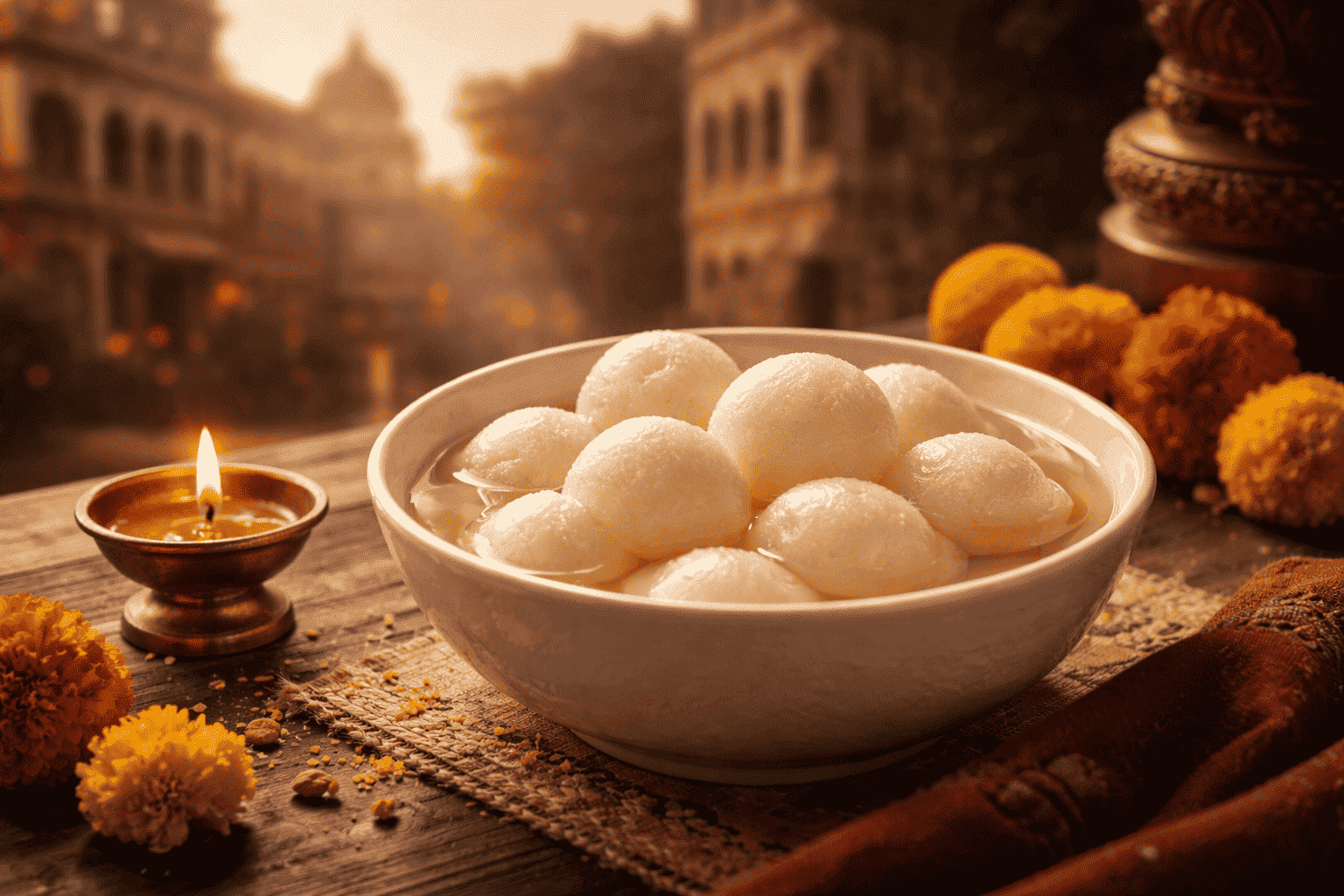
To understand KC das rossogolla, we must start with its invention. Rossogolla (often spelled “rosogolla”) is widely credited to Nobin Chandra Das, a Bengali confectioner from Kolkata in the mid-19th century. His experimental approach to chhena (fresh cottage cheese) and sugar syrup transformed an everyday ingredient into an enduring cultural symbol. (Wikipedia)
This wasn’t merely culinary creativity — it reshaped confectionery in India.
In 1868, Nobin Chandra developed the version of rossogolla that later became a national favorite. (kcdas.com) Today, the sweet continues to connect people across regions, religions, and generations.
KC Das: Commercializing a Cultural Icon
The name KC das rossogolla refers not just to a dessert, but to a lineage of confectioners who industrialized its production.
Krishna Chandra Das (K.C. Das) — the son of Nobin Chandra — innovated beyond his father’s creation. Notable contributions include the invention of rasmalai, another widely loved Bengali sweet, and most importantly, the first canned version of rossogolla — one of the earliest efforts to make Indian sweets globally distributable. (Wikipedia)
Today, K. C. Das Grandson Pvt. Ltd. official site markets and sells these sweets nationally and internationally — modernizing production while honoring tradition.
What Makes a Truly Blissful Bite? Texture, Tradition, and Taste
When discussing blissful bites, what defines them?
In the context of rossogolla, it’s a combination of:
-
Soft, spongy texture — achieved through careful handling of chhena.
-
Balanced sweetness — not cloying, but harmoniously infused with sugar syrup.
-
Moisture retention — so every bite feels succulent.
For many of us, not all rossogollas are created equal. Regional variations, preparation techniques, and ingredient quality all impact the eating experience — and brands like KC das rossogolla have become benchmarks, even as local homemade versions remain popular.
Why Ingredient Quality Matters — Enter “Organic Extracts”
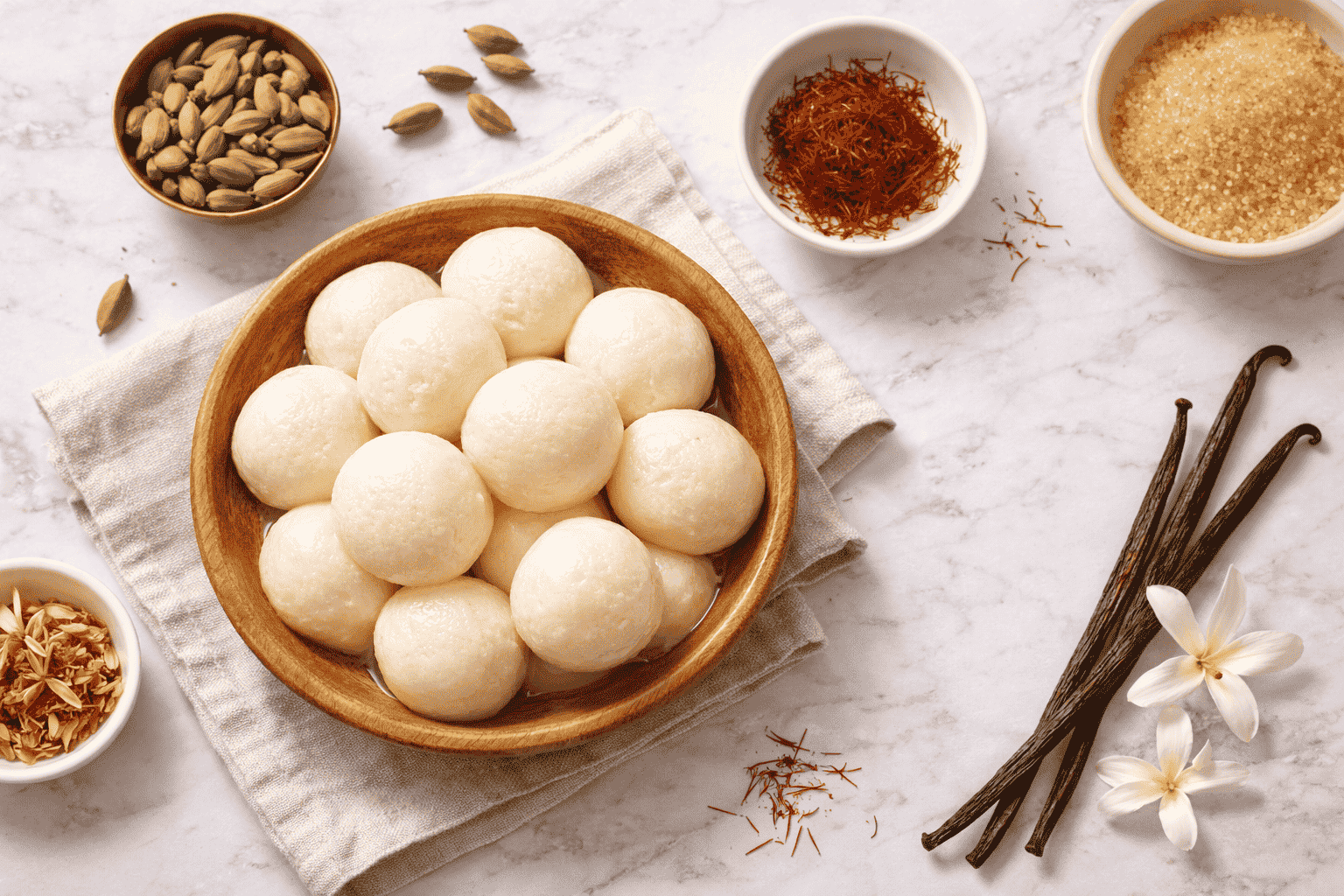
In modern culinary dialogue, terms like organic extract are gaining traction. But what do they actually mean in the context of traditional sweets?
An organic extract refers to a compound derived from an organic (chemical-free) source, typically via processes that preserve natural flavors or nutrients without synthetic additives. In desserts, this could include:
-
Organic vanilla extract
-
Natural rose water extract
-
Saffron or cardamom extracts without artificial flavoring
Applying this to rossogolla may seem unconventional — after all, traditional Bengali sweets don’t typically use distilled extracts. However, as Indian consumers become more ingredient-savvy, the concept of infusing sweets with clean, traceable, naturally sourced components is resonating, especially among younger foodies and health-conscious buyers.
This trend of blending tradition with organic purity is shaping an emerging narrative in Indian desserts — nudging sweetmakers toward transparency and quality.
The Cultural Significance of Rossogolla in India
Rossogolla is more than food — it’s heritage.
In West Bengal, its origin was a matter of intense cultural conversation, especially during GI (Geographical Indication) debates with other regions. While various regions claim historical versions of the sweet, many authoritative sources record Nobin Chandra Das as the innovator of the spongy white sweet we recognize today. (Wikipedia)
Beyond that, the sweet is symbolically tied to festivals, ceremonies, and family gatherings — from Durga Puja festivities in Kolkata to weddings across India.
Modern Variations — Beyond Traditional Sugar Syrup
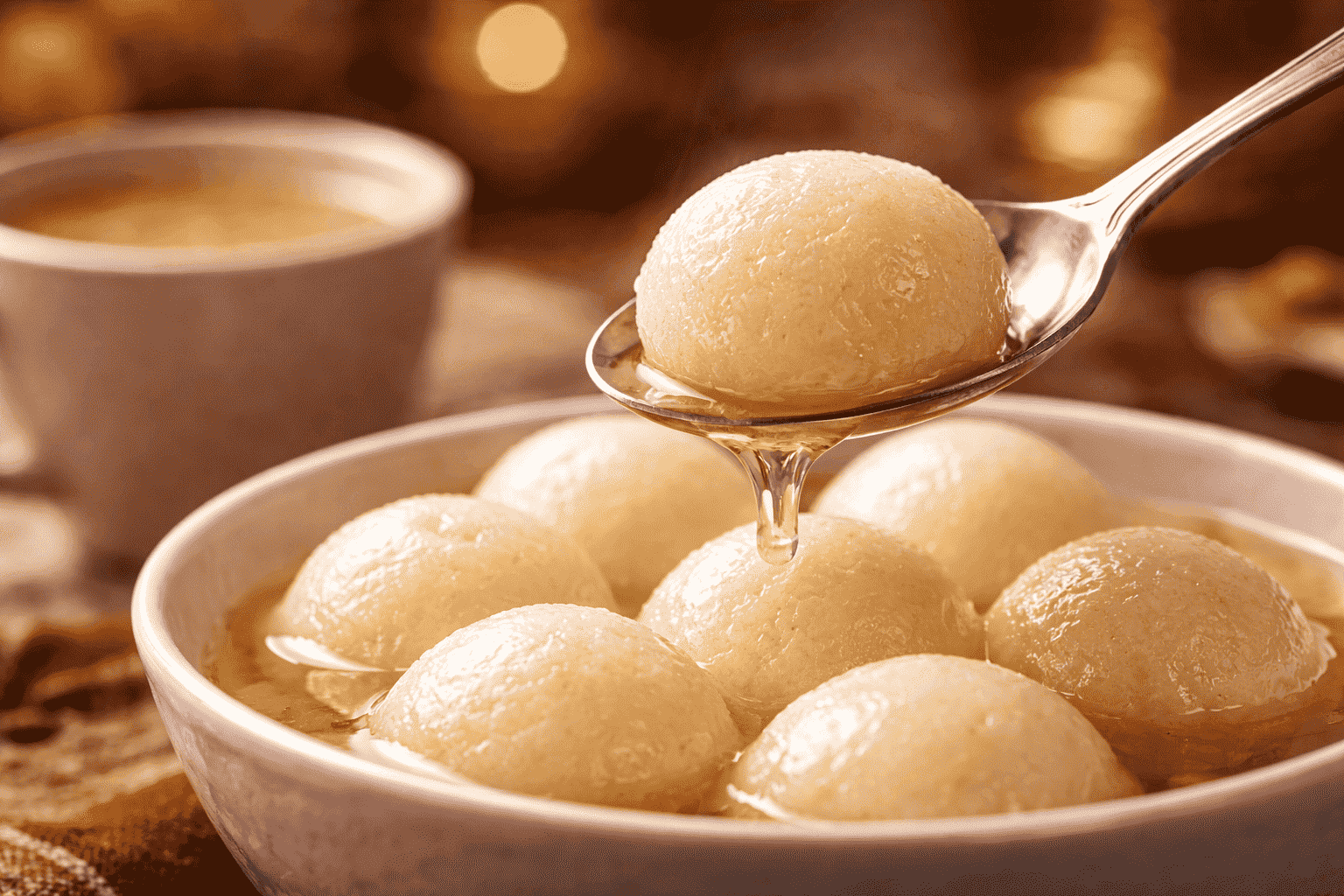
Even a dessert as classic as rossogolla is evolving. Today, chefs and confectioners experiment with:
-
Fruit-infused versions
-
Chocolaty or fusion rossogollas
-
Diet variants with lower sugar or alternative sweeteners
Some of these innovations incorporate elements like organic vanilla extract or natural fruit essences — a nod to modern taste buds and health considerations.
How Production and Storage Have Changed
When K.C. Das introduced canned rossogolla, the aim was accessibility. Before this, sweets were ultra-perishable, enjoyed fresh and locally. Canning changed that forever — enabling distribution across the subcontinent and beyond. (kcdas.com)
Today, refrigeration and packaging technologies have widened storage life, but also sparked debates among purists. Some argue canned sweets lose the freshness of freshly made ones — a trade-off between convenience and authenticity.
Pairing Desserts and Beverages — Blissful Bites Beyond Rossogolla
When we talk about blissful bites, context matters.
Rossogolla pairs beautifully with:
-
Masala chai
-
Cardamom-infused coffee
-
Herbal teas with a hint of organic vanilla or rose extract
These combinations amplify both taste and sensory satisfaction, turning desserts into experiential rituals rather than quick treats.
The Ethics of Sweet Consumption — Nutrition, Sugar, and Awareness
Traditional sweets like rossogolla are high in sugar — a fact that anyone mindful of health must acknowledge.
Industry reviews suggest that such sweets aren’t designed to be health foods; their sugar content makes them occasional treats rather than daily indulgences. (foodnetindia)
As consumers, balancing heritage and health requires:
-
Mindful portioning
-
Occasional indulgence
-
Exploring versions with natural sweeteners or controlled sugar
Here, elements like organic extract or natural essences contribute to flavor without synthetic additives — a small step toward cleaner dessert experiences.
The Future of Traditional Sweets in a Modern India
Looking forward, we see a convergence of:
-
Heritage culinary practices
-
Quality transparency
-
Consumer education
Desserts like rossogolla have already transcended borders and generations. With innovation — both in ingredients and presentation — traditional sweets will likely continue evolving without losing their soul.
Conclusion — Key Takeaways
As we wrap up our exploration of blissful bites, organic extract, and the KC das rossogolla, here are the major insights we take away:
✔ Sweetness Is Culture, Not Just Flavor
Rossogolla is as much a cultural artifact as a dessert — connecting people through shared experiences.
✔ Ingredient Quality Matters
Incorporating concepts like organic extract reflects an emerging preference for natural and transparent food experiences.
✔ Tradition and Innovation Can Coexist
From canned classics to modern fusion desserts, Indian sweets are adapting without losing heritage.
✔ Balanced Consumption Is Key
Traditional sweets are to be enjoyed mindfully, with awareness of nutrition without compromising pleasure.
Frequently Asked Questions (FAQ)
Q: What makes KC das rossogolla different from other rasgulla?
A:KC das rossogolla is associated with a specific confectionery lineage known for popularizing canned versions and maintaining traditional recipes passed down since the late 19th century. (kcdas.com)
Q: Can organic extracts be used in traditional sweets like rossogolla?
A: Yes — while not traditional, organic extracts (like natural vanilla or saffron) are increasingly used in modern adaptations to enhance flavor while avoiding artificial additives.
Q: Is the original rossogolla from West Bengal or Odisha?
A: The most widely recognized historical record credits Nobin Chandra Das of Kolkata as the creator of the version we know today. (Wikipedia)
Q: Are canned rossogollas as good as freshly made ones?
A: Canned rossogollas offer convenience and shelf stability but may differ in texture and freshness compared to freshly prepared sweets.
Q: How should one store rossogolla after purchasing?
A: For canned products, follow the label instructions. For fresh ones, refrigeration and consuming within a short period (1–2 days) preserves texture and taste.