

Last year, while reviewing eating habits among young working professionals in India, we noticed a peculiar contradiction. Many individuals were going to the gym regularly, tracking calories, and even buying premium supplements — yet their daily diet still consisted of refined snacks, sugary beverages, and meals high in oil.
They believed they were eating for fitness.
However, biologically, their bodies were not receiving the necessary fitness nutrition.
This disconnect exists because modern consumers often confuse high-protein marketing with balanced nutrition science. Real fitness foods are not limited to powders and shakes — they come from fruit and nut combinations, nutrient-dense meals, and intelligently designed sauces that enhance taste without damaging metabolic health.
In this article, we explore how Indians can build a sustainable performance-based diet using three underestimated components:
-
Fruit and nut combinations
-
Whole fitness foods
-
Smart sauces
And how these together can outperform fad diets and expensive supplementation.
Understanding What “Fitness Foods” Actually Means
The word fitness food is often misunderstood. It does not mean low-calorie or high-protein alone. It means food that:
-
Supports muscle repair
-
Maintains metabolism
-
Stabilizes energy
-
Improves recovery
-
Prevents chronic disease
According to Indian dietary guidelines, a balanced diet must contain carbohydrates, proteins, fats, fibre, vitamins, and minerals for proper body function.
This means a plate containing only chicken or only protein shakes is not fitness food.
A real fitness plate includes:
| Carbohydrates | Energy for workouts |
| Proteins - | Muscle repair |
| Fats - | Hormonal balance |
| Fibre - | Gut health |
| Micronutrients - | Recovery and immunity |
More importantly, the Indian Council of Medical Research recommends obtaining nutrients from natural food sources rather than supplements.
Therefore, the foundation of fitness nutrition begins not in supplement stores — but in traditional food diversity.
Why Fruit and Nut Combinations Are Powerful Performance Foods
Among the simplest yet most powerful nutrition combinations in human history is the fruit and nut pairing.
This pairing works because it delivers:
-
Fast energy (from fruit sugars)
-
Sustained energy (from nut fats)
-
Recovery nutrients (from minerals)
-
Antioxidant protection (from vitamins)

Nutritional Synergy
| Fruits - | Immediate glycogen restoration |
| Nuts - | Slow energy release |
| Together | Stable blood sugar |
For example, almonds contain protein, fibre, magnesium, vitamin E, and antioxidants that support blood sugar control and cardiovascular health.
That means a banana + almonds snack performs better than most packaged energy bars.
The Science Behind Energy Stability
Energy crashes are not caused by a lack of calories.
They are caused by rapid insulin spikes.
Typical Snack Response
-
Biscuit → sugar spike → fatigue
-
Sweet drink → crash → hunger
-
Processed snack → overeating
Fruit & Nut Response
-
Moderate glucose absorption
-
Controlled insulin release
-
Long-lasting satiety
Indian guidelines recommend including nuts and fruits daily as part of balanced nutrition to prevent lifestyle diseases.
This makes fruit-nut intake not only a fitness strategy, but a metabolic protection strategy.
Daily Protein Needs — The Biggest Fitness Myth in India
One of the biggest misconceptions:
More protein = more muscle
In reality:
Recommended intake ≈ 0.83 g per kg body weight/day
For a 70 kg adult = ~58 g protein
Beyond certain levels, additional protein does not significantly increase muscle gain.
Therefore:
Excess shakes ≠ faster transformation
Balanced meals = sustainable performance
Nuts, dairy, legumes, and seeds are recommended natural protein sources.
The Forgotten Role of Healthy Fats in Fitness
Indian fitness culture incorrectly fears fats.
But healthy fats:
-
regulate testosterone
-
support brain performance
-
reduce inflammation
-
improve endurance
Daily diet recommendations include nuts and seeds as essential fat sources.
Best Indian Fat Sources
-
Almonds
-
Walnuts
-
Peanuts
-
Sesame seeds
-
Flax seeds
Removing fat from the diet often causes fatigue, irritability, and a plateau in training progress.
Fitness Sauces — The Missing Piece in Healthy Eating
People fail diets not because of meals.
They fail because of taste.
Healthy sauces solve this.
Low-calorie sauces can enhance flavour without increasing fats and sugars when prepared correctly.
Why Sauces Matter
They:
-
improve adherence
-
prevent junk cravings
-
allow variety
-
increase vegetable intake
Without taste satisfaction, diet plans collapse within weeks.
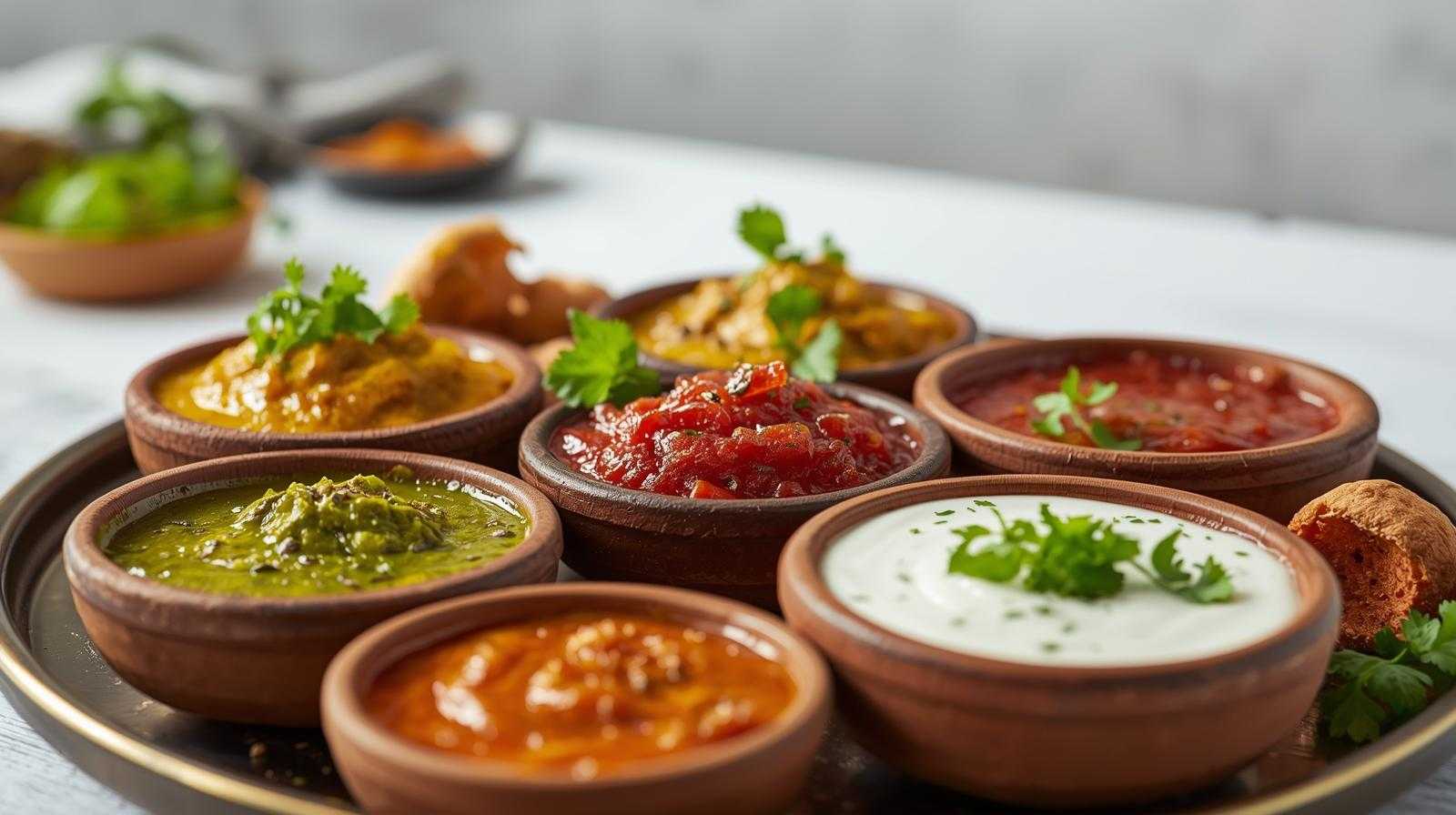
How Traditional Indian Chutneys Are Actually Performance Foods
India already invented healthy sauces centuries ago.
| Mint - | Digestion + cooling |
| Peanut - | Protein + fats |
| Coconut - | Electrolyte balance |
| Tomato - | Antioxidants |
These sauces:
-
low in processing
-
high in micronutrients
-
compatible with fitness diets
Avoid ultra-processed foods high in salt, fat, and sugar for long-term health.
So the future of diet may lie in our culinary past.
Building a Complete Fitness Plate
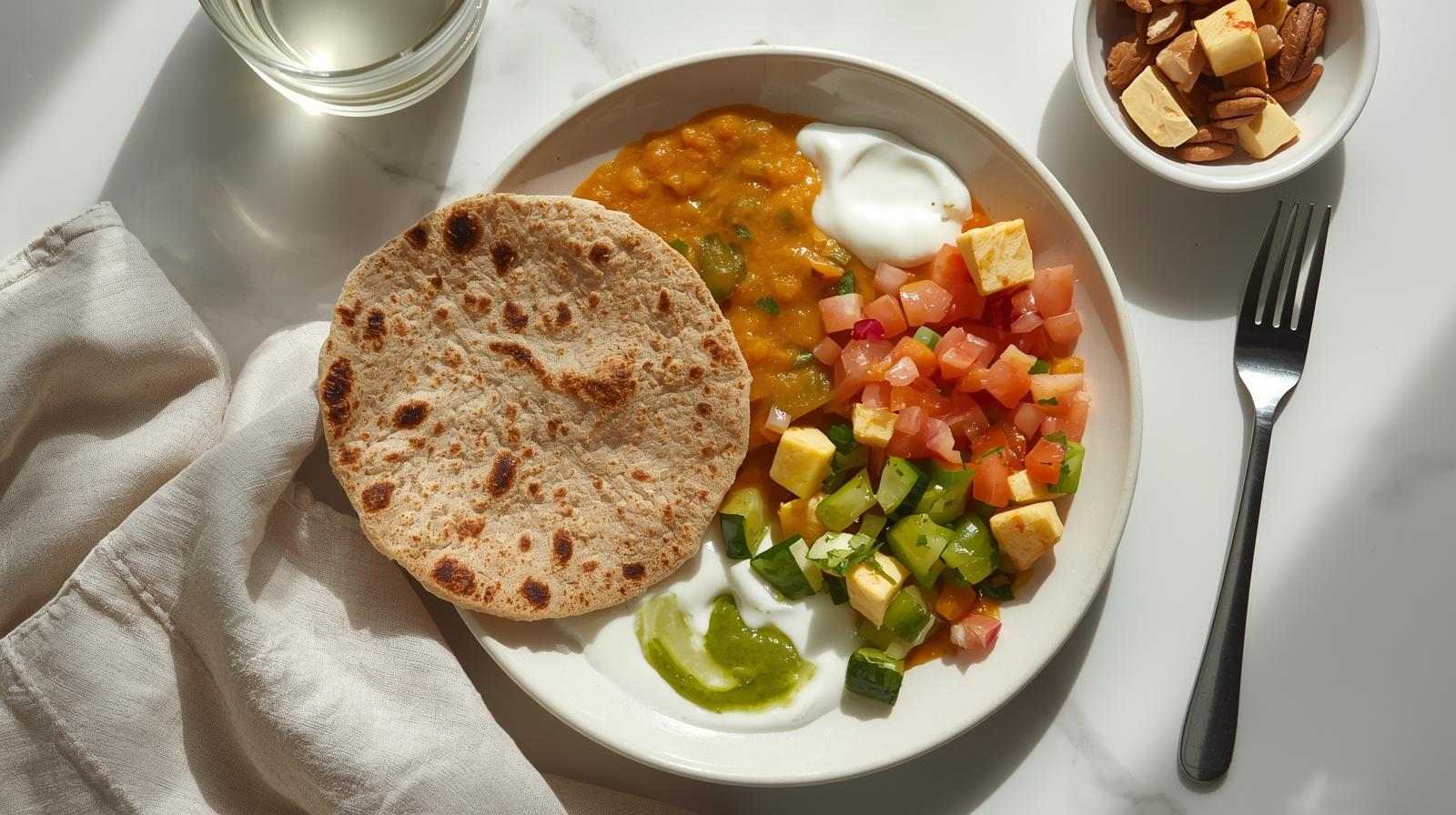
A practical Indian fitness plate:
| Carbs - | Roti / rice millet |
| Protein - | Dal / paneer / eggs |
| Fats - | Nuts / seeds |
| Fibre - | Vegetables |
| Recovery - | Fruit |
| Taste - | Healthy sauce |
This combination aligns with Indian dietary diversity recommendations for preventing chronic disease.
Sample Day Diet Plan (Indian Context)
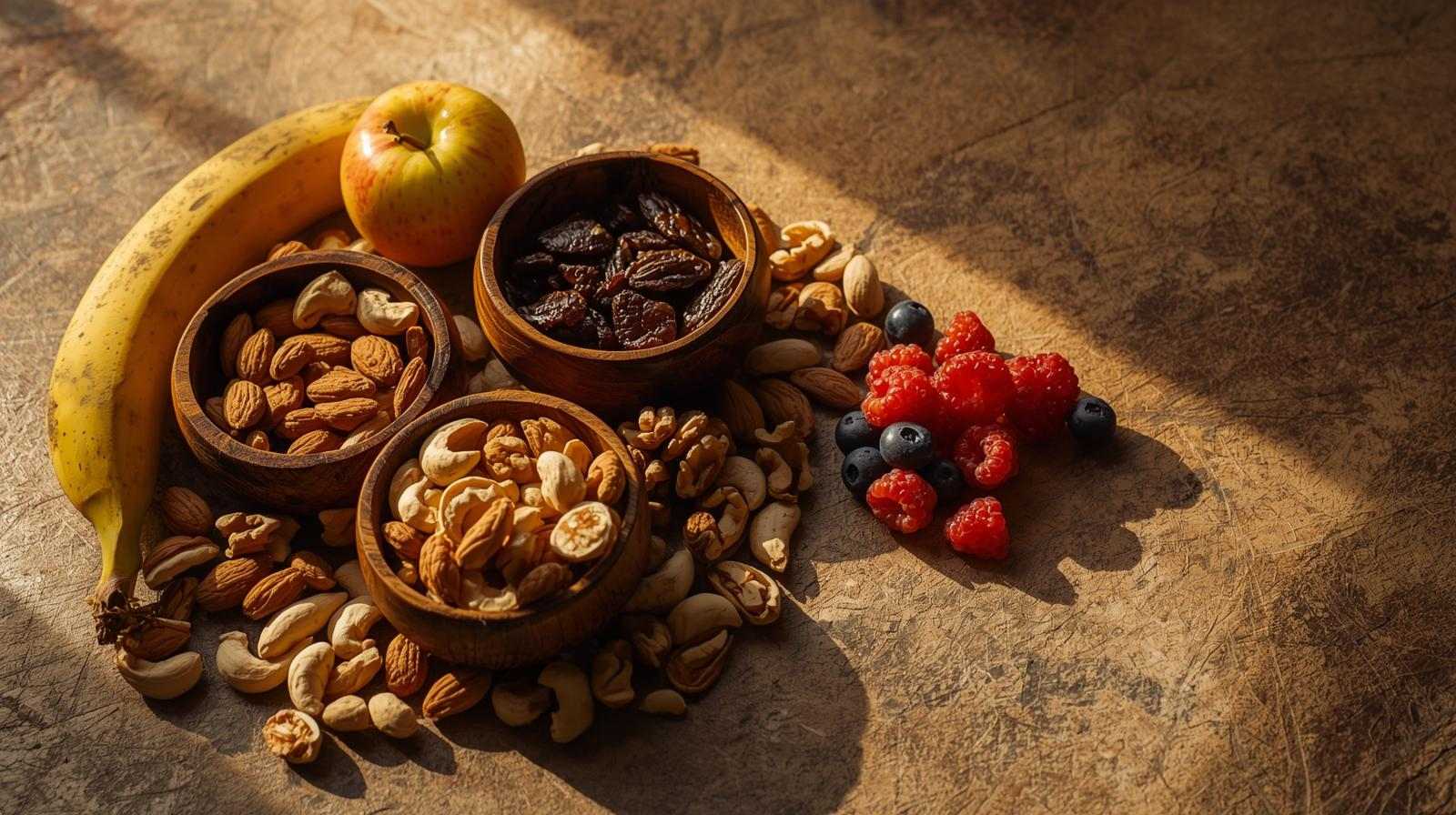
Morning - Soaked almonds + fruit
Breakfast - Vegetable poha + peanut chutney
Lunch - Roti + dal + sabzi + curd
Snack - Fruit & nut mix
Evening - Buttermilk
Dinner - Paneer / egg curry + salad + mint chutney
Balanced diets with diverse food groups help prevent hypertension, diabetes, and heart disease.
Why Ultra-Processed “Fitness Foods” Often Fail
Most packaged “diet snacks” contain:
-
artificial sweeteners
-
preservatives
-
refined starches
Regular consumption of ultra-processed foods increases disease risk.
Fitness should be based on:
Natural consistency > engineered convenience
Sustainable Fitness vs Temporary Transformation
A diet works only if it is:
-
affordable
-
repeatable
-
culturally compatible
-
enjoyable
Fruit and nut snacks plus healthy sauces meet all four conditions.
This is why traditional diets outperform extreme diets over long durations.
Conclusion
The future of fitness nutrition in India does not lie in expensive supplements or restrictive eating patterns. It lies in intelligently combining fruit and nut snacks, balanced fitness foods, and flavour-rich but healthy sauces.
Instead of chasing extreme macros, we should build metabolic resilience through diversity.
A sustainable body is built not by starvation — but by nourishment.
Key Takeaways
-
Fruit and nut combinations stabilize energy and recovery.
-
Fitness foods must include all nutrients, not just protein.
-
Healthy sauces improve diet consistency.
-
Indian traditional foods already match modern nutrition science.
-
Balanced diets outperform supplements long-term.
FAQ
Q: Are nuts fattening?
No. In moderate amounts, they improve metabolism and satiety.
Q: Do we need protein powder for the gym?
Usually not. Balanced natural food meets daily needs for most adults.
Q: Are sauces allowed in the diet?
Yes — low-sugar, low-fat sauces help adherence and prevent cravings.
Q: Best snack before workout?
Fruit + nuts combination.
Q: Best recovery food after a workout?
Carbohydrate + protein meal, like dal + rice or paneer + roti