

If you've ever walked through the by-lanes of Old Delhi during monsoon season, you already know that intoxicating smell, pure ghee sizzling in a kadhai, sugar syrup bubbling away, and disc-shaped sweets being pulled out golden and crisp. That's Ghewar. And honestly, if you haven't had a fresh piece of it yet, you're missing out on one of India's most iconic monsoon and festival sweets.
The good news is that you don't need a train ticket to Rajasthan or a trip to Chandni Chowk anymore. You can order Ghewar online and have it delivered straight to your doorstep, often within hours of being made. What used to be a sweet you could only enjoy if you happened to be in the right city at the right time of year has now become something anyone, anywhere in the country, can experience with a few taps on their phone. That shift hasn't just changed convenience; it's changed the entire relationship people have with regional Indian sweets.
we'll walk you through everything you need to know, what Ghewar actually is, why the "fresh arrivals" tag matters so much when buying it online, how to pick the right one, what real buyers experience when ordering during festival rush, and where you can get the real deal without compromising on taste or hygiene. We'll also cover storage, gifting etiquette, and how Ghewar compares to some of the other popular Indian sweets you might be considering instead. By the end of this read, you'll know exactly how to shop smart for Indian sweets online, especially during festival season when demand, and unfortunately, fake sellers, tend to spike.
What Exactly Is Ghewar? A Quick Refresher
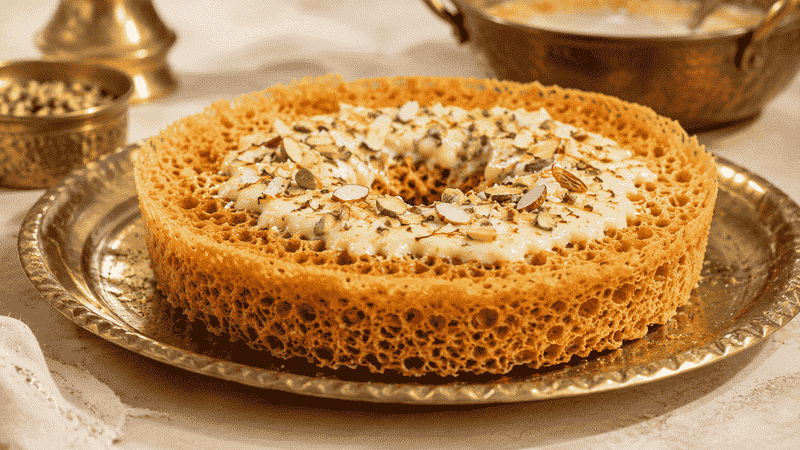
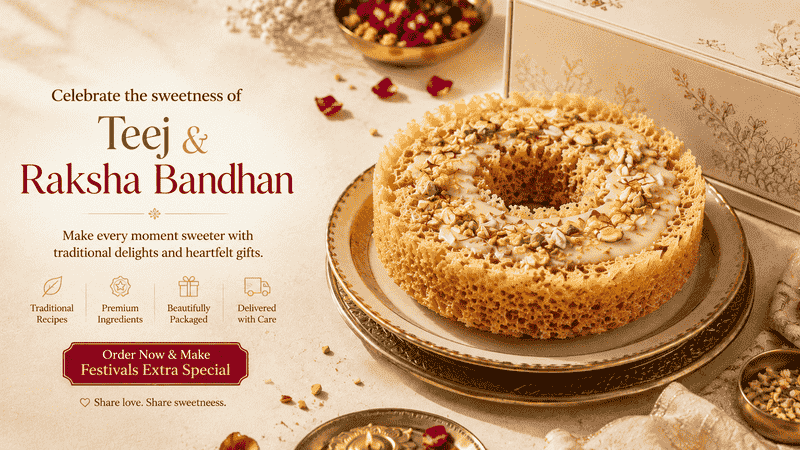
Ghewar is a disc-shaped, honeycomb-textured sweet that originates from Rajasthan, though it's now equally famous in Delhi's old markets. It's traditionally made by pouring a thin batter of flour, ghee, and water into hot ghee in a circular motion, which creates that signature lacy, porous texture. Once fried to a light golden crisp, it's dunked in sugar syrup and often topped with rabri, dry fruits, silver varq, or saffron strands. There are a few popular variations you'll come across while shopping, plain Ghewar, which is crisp and simply syrup-soaked; mawa or malai Ghewar, topped generously with rabri for a creamier bite; and kesar Ghewar, infused with saffron for a more royal, aromatic touch. Ghewar is deeply tied to Rajasthani culture and is traditionally prepared around Teej and Raksha Bandhan, though these days people order it year-round simply because it's delicious.
The history behind Ghewar is part of what makes it special. It's believed to have originated in the royal kitchens of Rajasthan, where sweet-makers experimented with ghee and flour to create something that could hold syrup without turning mushy, resulting in that unmistakable honeycomb structure. Over generations, the recipe traveled beyond Rajasthan into Delhi, where shops in areas like Chandni Chowk adapted it slightly, often leaning into richer rabri toppings that have now become a signature of the Delhi style. Even the way Ghewar is eaten carries a bit of ritual to it, during Teej, it's common for married women to receive Ghewar as part of gifts from their maternal family, tying the sweet not just to taste but to family tradition and seasonal celebration. Knowing this backstory isn't just trivia; it explains why so many people are particular about sourcing Ghewar from sellers with genuine heritage rather than settling for a mass-produced version that skips the craftsmanship altogether.
Why "Fresh Arrivals" Actually Matters When Buying Sweets Online
Here's something most people don't think about until it's too late, Ghewar, unlike some other Indian sweets, doesn't have a long shelf life, especially the malai or rabri versions. Because it uses dairy-based toppings, freshness isn't just a nice-to-have, it's a food safety issue. When a store lists fresh arrivals, it usually means the batch was prepared recently rather than sitting in cold storage for days, the dairy toppings haven't had time to spoil or separate, you're getting the sweet closer to its intended texture with a crisp base instead of something soggy or stale, and the seller has better inventory turnover instead of pushing old stock during high-demand periods. This is exactly why checking a "new arrivals" or "fresh arrivals" section before ordering is such a simple but underrated habit. DeliciousKart, for instance, maintains a dedicated new arrivals collection where recently prepared batches of Indian sweets, including Ghewar, are listed, so you're not gambling on how long a product has been sitting around.
The Rise of Ordering Indian Sweets Online
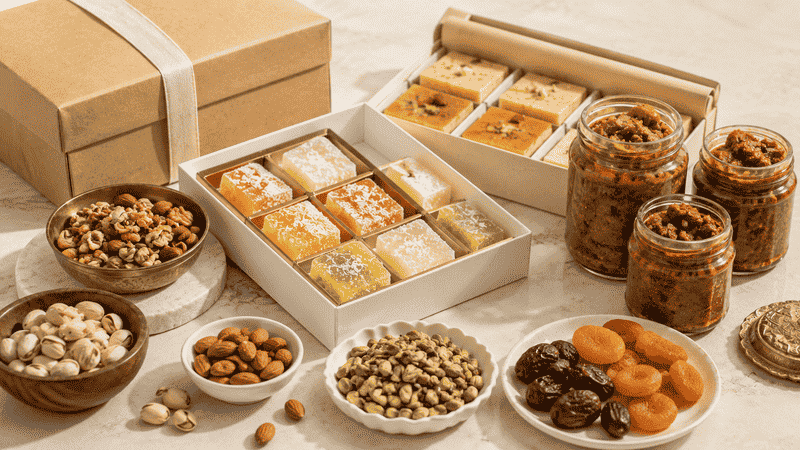
A decade ago, if you wanted authentic Ghewar from a legacy Delhi sweet shop, you either had to live nearby or ask a relative to carry it back for you, usually wrapped in a questionable amount of newspaper. Today, that entire experience has shifted online. Festival demand spikes around Teej, Raksha Bandhan, and Independence Day mean physical stores simply can't handle walk-in crowds efficiently, while NRIs abroad want authentic regional sweets shipped to them instead of the generic stuff available at local Indian grocery stores. Add to that the sheer convenience of not fighting Old Delhi traffic for a box of sweets, plus better insulated, spill-proof packaging technology that now makes it possible to ship dairy-topped sweets without them turning into a soggy mess, and it's easy to see why online ordering took off so fast. According to general consumer trend reports on India's sweets and confectionery market, which you can read more about in IBEF's food processing industry overview, traditional sweets remain one of the most resilient segments even as packaged snacking grows, largely because festivals keep demand consistent year after year.
How to Choose the Right Ghewar Online
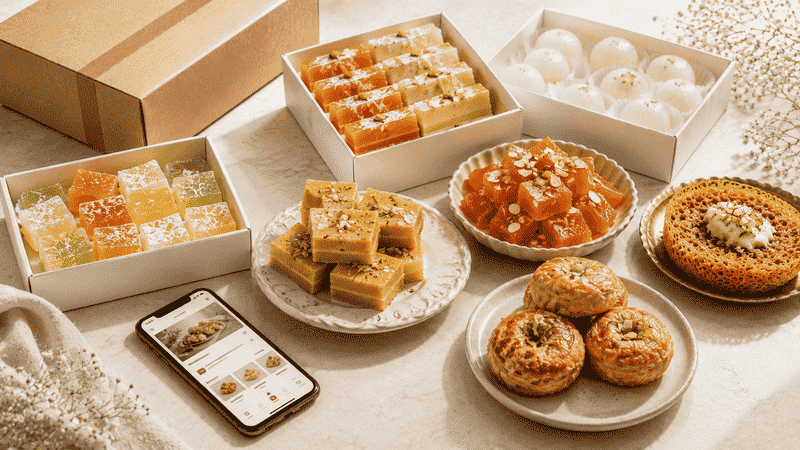
Not all Ghewar is created equal, and definitely not all online sellers are trustworthy, so it helps to know what to look for before you hit "Add to Cart." Start by checking the ingredient list, authentic Ghewar should list pure ghee, not a blend of vegetable oil and "ghee flavoring," and a listing that's vague about ingredients is a red flag. It also helps to look for legacy or reputed sellers since sweets tied to a known legacy tend to maintain consistency because their reputation depends on it. For example, this Special Malai Ghewar from Chaina Ram, Chandni Chowk, Old Delhi is sourced from a shop that has been part of Old Delhi's sweet-making legacy for generations, and that kind of heritage usually translates into better quality control. Beyond that, look for freshness indicators like "fresh arrivals," "made to order," or a visible preparation date, and check whether the seller offers expedited or cold-chain delivery in your city, since Ghewar with dairy toppings combined with slow delivery and summer heat is a recipe for disappointment. Finally, pay attention to reviews that mention texture rather than just taste; comments about the sweet arriving crisp and not soggy are a good sign, while repeated complaints about melted toppings should make you pause.
Ghewar Varieties and Which One to Pick
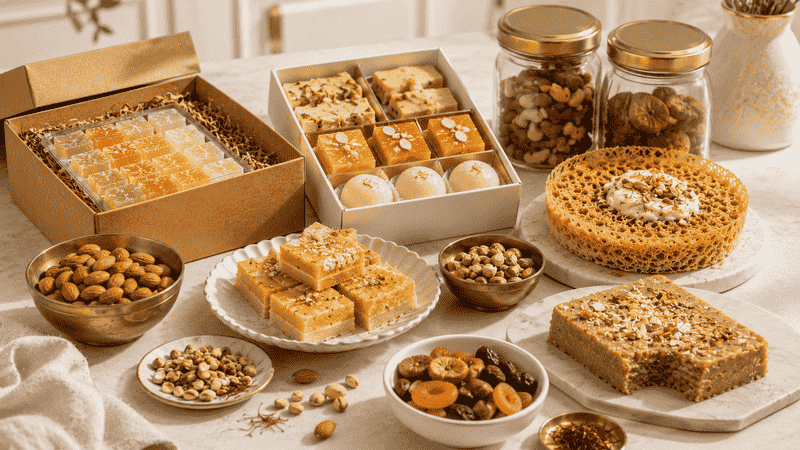
When it comes to choosing between varieties, plain Ghewar is best for those who like a crisp, less sweet bite and works well for everyday festive treats since it doesn't spoil quickly without any dairy topping involved. Malai or mawa Ghewar, on the other hand, is for rich, creamy sweet lovers and is perfect for occasions like Teej or Raksha Bandhan, though it has a shorter shelf life because of the rabri topping. Kesar Ghewar sits somewhere in between, with a moderate shelf life and an aromatic, slightly royal flavor that makes it a popular choice for weddings, festivals, and gifting. If you're buying for gifting, plain or kesar variants travel better, but if it's for immediate consumption at home, malai Ghewar is worth the slightly shorter shelf life since the taste trade-off is genuinely worth it.
A Real-Life Scenario: Ordering Ghewar for Raksha Bandhan
Let's say your sister lives in another city and you want to send her something authentic for Raksha Bandhan instead of the generic mithai box available at every corner store. A realistic approach here is to check the new arrivals section a few days before the festival rather than on the day itself since fresh batches move fast during peak season; DeliciousKart's new arrivals is a good starting point since it's updated as fresh stock comes in. From there, it makes sense to pick the variant based on how soon it'll actually be eaten, going with malai Ghewar if it'll be consumed within a day or two of delivery and plain Ghewar if there's any delay expected. Ordering two to three days in advance also helps account for regional shipping delays, especially for smaller towns, and it's worth tracking the delivery date against the festival date so the sweet doesn't arrive a week early and lose its freshness. This kind of planning sounds obvious, but it's exactly where most people mess up, ordering last minute and then being disappointed when the sweet arrives less than fresh.
Weighing the Pros and Cons of Buying Ghewar Online
Buying Ghewar online comes with some genuine advantages. You get access to regional specialties you can't find locally no matter which city you live in, it saves time during the festival rush when local shops get overcrowded, there's typically a wider variety available including plain, malai, and kesar options, and doorstep delivery matters a lot for elderly family members or those without easy market access. It's also simply more convenient for gifting, with many sellers offering direct-to-recipient shipping with festive packaging. That said, there are trade-offs worth knowing about. Dairy-topped varieties carry a shelf-life risk if not handled properly during transit; regional shipping delays can affect freshness in remote areas; quality can be inconsistent across lesser-known sellers who cut corners on ghee or sugar, and Ghewar's delicate, porous structure can crack if it isn't packed carefully. On balance, though, the pros clearly outweigh the cons as long as you're buying from a reliable source and paying attention to freshness cues before ordering.
Tips to Store Ghewar After It Arrives
Even the freshest Ghewar needs proper storage to maintain its texture. Plain Ghewar can be kept at room temperature in an airtight container for a few days, while malai or rabri-topped Ghewar should go straight into the refrigerator and ideally be consumed within 24 to 48 hours. It also helps to avoid stacking pieces directly on top of each other, since the honeycomb structure is delicate and crushes easily, and letting refrigerated Ghewar sit at room temperature for 10 to 15 minutes before eating gives you the best texture.
Why Chandni Chowk-Style Ghewar Still Stands Out
There's a reason Old Delhi's Chandni Chowk remains synonymous with authentic Indian mithai. The techniques used there have been passed down through generations, and the ghee-to-flour ratio, syrup consistency, and rabri thickness are often perfected over decades rather than standardized recipes. When you're ordering Ghewar online, sourcing from sellers connected to these legacy shops rather than mass-produced factory versions usually means a noticeably better product. If you want to experience this firsthand, the Special Malai Ghewar from Chaina Ram is a solid example of this legacy-style preparation being made available for online ordering, complete with the rich rabri topping that's hard to replicate elsewhere.
How Ghewar Compares to Other Popular Indian Sweets
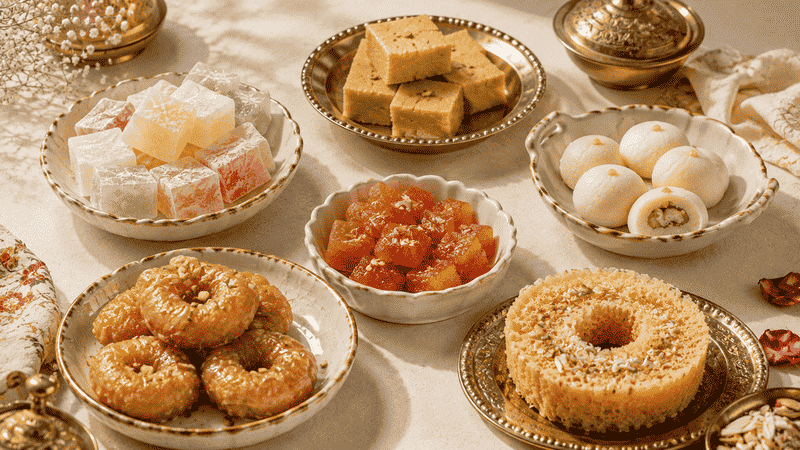
If you're browsing Indian sweets online and trying to decide what to add to your cart alongside or instead of Ghewar, it helps to understand how it stacks up against other favorites. Compared to something like gulab jamun, which is soft, syrup-soaked, and fairly forgiving in terms of shelf life, Ghewar is far more delicate and time-sensitive, especially once rabri enters the picture. Against kaju katli or other mawa-based barfis, which tend to have a denser, fudge-like texture and travel well for days without refrigeration, Ghewar stands out for its light, airy, almost lace-like bite, but that same quality is exactly why it can't be treated like a shelf-stable mithai. Jalebi is probably the closest cousin in terms of preparation style, since both involve frying a batter into a distinct shape and soaking it in syrup, but jalebi is typically eaten fresh and warm within hours, while Ghewar is meant to be enjoyed cool, with its crisp base intact even a day or two later. Understanding these differences matters because it changes how you should shop, sweets like kaju katli are fairly low-risk to order in bulk and store, while Ghewar rewards a more thoughtful approach where freshness, delivery speed, and proper storage genuinely determine whether you get the experience it's known for.
Gifting Ghewar the Right Way
Ghewar makes for a thoughtful gift, but it's not quite as straightforward as sending a box of dry sweets. Because texture and freshness matter so much, timing your order around the recipient's schedule is just as important as picking the right variant. If you're sending it to someone you know will refrigerate it immediately upon arrival, malai or kesar Ghewar works beautifully and tends to leave a stronger impression because of how rich and indulgent it tastes. If there's uncertainty about when the recipient will actually open the package, plain Ghewar is the safer bet since it holds up longer without special handling. It's also worth including a quick note or message about how to store it, especially if you're gifting to someone who might not be familiar with Ghewar's dairy-topped variants, since a little guidance goes a long way in making sure the sweet is enjoyed the way it's meant to be. Presentation matters too; most reputable sellers now offer festive packaging by default, which adds to the experience without you having to do anything extra.
Don't Miss the Special Rakhi & Independence Day Combo Offer
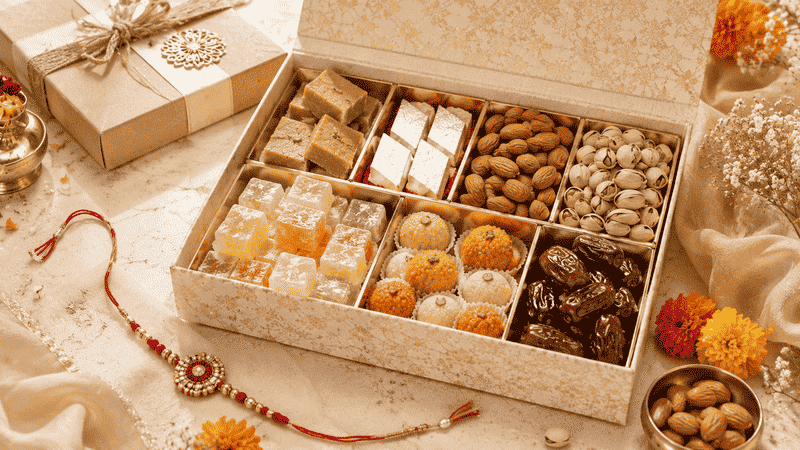
Here's something worth mentioning before you place your order, DeliciousKart is currently running a special combo offer with 10% off just in time for Rakhi and Independence Day. Instead of ordering Ghewar on its own, you can grab it paired with other festive favorites as part of a combo, all at a discounted price, making it a great pick whether you're stocking up for your own celebration or sending a gift box to family and friends. Deals like this don't stick around for long once festival season kicks in, so if you've been planning to order anyway, this is a good time to go ahead and steal the offer before it's gone.
Frequently Asked Questions (FAQs)
Q1. Is it safe to order Ghewar online, especially the malai variant?
Yes, as long as you're ordering from a reputed seller that ships with proper packaging and reasonably fast delivery timelines. Always check delivery estimates for your location before ordering dairy-topped varieties.
Q2. How long does Ghewar stay fresh after delivery?
Plain Ghewar can last 3-4 days at room temperature. Malai or rabri-topped Ghewar is best consumed within 24-48 hours and should be refrigerated immediately upon arrival.
Q3. What's the difference between Malai Ghewar and Kesar Ghewar?
Malai Ghewar is topped with thick, creamy rabri, giving it a rich, milky flavor. Kesar Ghewar is infused with saffron, offering a more aromatic and slightly royal taste profile, often preferred for gifting.
Q4. Can I order Ghewar for festivals like Teej and Raksha Bandhan in advance?
Absolutely, and it's actually recommended. Ordering 2-3 days before the festival ensures you get freshly prepared stock without last-minute delivery stress.
Q5. How do I know if the Ghewar I'm ordering is actually fresh?
Look for a "fresh arrivals" or "new arrivals" tag on the product listing, check the preparation or dispatch date if mentioned, and read recent customer reviews specifically mentioning texture and freshness.
Q6. Is Ghewar only available during monsoon season?
Traditionally, yes, since it's associated with Teej and the monsoon months. However, most online sellers now offer it year-round due to consistent demand.
Key Takeaways
Ghewar is a Rajasthani-origin, honeycomb-textured sweet best enjoyed fresh, especially the malai and rabri-topped versions.
Always check for "fresh arrivals" tags or recent dispatch dates before ordering dairy-based sweets online.
Buying from legacy-linked sellers, like those connected to Chandni Chowk's historic sweet shops, generally means better authenticity and taste.
Plain Ghewar travels and stores better; malai Ghewar tastes better but has a shorter shelf life.
Ordering a few days ahead of festivals like Teej and Raksha Bandhan helps avoid freshness and delivery issues.
Craving that fresh, crisp bite of tradition? Order Ghewar online now at DeliciousKart.com and enjoy authentic Indian sweets delivered straight to your door!