India's food culture is evolving like never before, blending timeless traditions with exciting new flavours. In 2026, bold regional spices, beloved traditional sweets, and nutrient-rich international nuts & berries are finding a place on the same table, reflecting changing lifestyles and modern tastes. From the rise of the sweet-and-spicy "swicy" trend to healthier snacking habits and premium festive treats, Indian consumers are embracing both heritage and innovation. In this blog, we'll explore the biggest food trends shaping India's kitchens, celebrations, and snack choices and discover why spice, sweets, and healthy nuts are defining the country's culinary journey in 2026.
Why India's Love Affair with Heat Keeps Getting Bolder
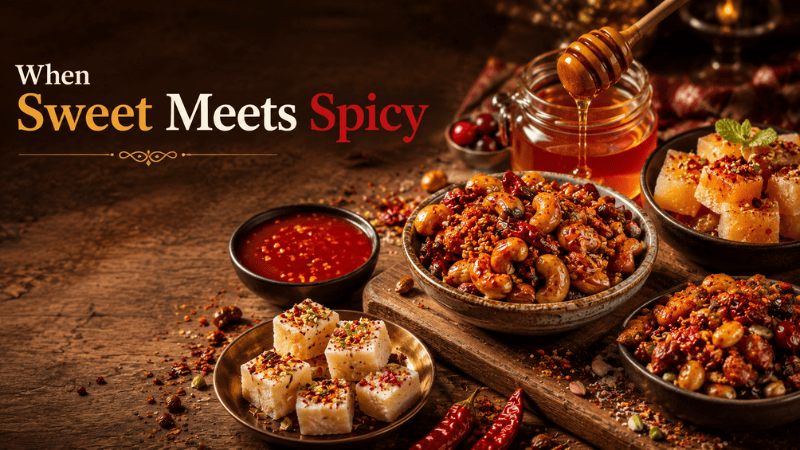
India has never exactly been shy about spice, but the intensity has cranked up a notch. Restaurant menus across the country are leaning harder into bold flavour claims than they were even a year ago, with "spicy" labelling on menus climbing sharply, and most of that growth concentrated in restaurants and cloud kitchens rather than home cooking. That suggests something interesting: people are increasingly outsourcing their heat fix to professionals who know how to balance chilli with acidity, sweetness, and lamium rather than always making it at home.
Regional specificity is also playing a bigger role. Instead of a generic "spicy Indian" flavour, brands and eateries are calling out Kashmiri chilli, Coorg pepper, and Andhra-style gunpowder blends by name, giving shoppers a reason to seek out a particular heat profile rather than settling for whatever chilli powder is on the shelf. For anyone who wants to explore this properly rather than relying on a single all-purpose masala, browsing a dedicated spicy food collection makes it easier to compare different chilli styles, pickles, and heat levels side by side instead of guessing at a supermarket aisle.
There's also a global feedback loop happening here that's worth noticing. Indian cuisine's reputation for bold, layered heat is fuelling demand well beyond the country's borders, with spicy, rich, and aromatic flavour associations all climbing in markets abroad as diners actively seek out Indian food for its intensity rather than in spite of it. That international appetite, in turn, gives Indian producers more confidence to lean into stronger, more authentic heat at home rather than diluting it for a mass-market palate. The result is a kind of two-way validation: the world is asking for more chilli, and Indian kitchens are happy to oblige.
It also helps that spice, unlike a lot of food trends, isn't really a fad in India; it's closer to a baseline expectation that keeps getting pushed further. Chilli-based condiments, pickles, and ready-to-eat spicy snacks have long shelf lives and loyal repeat buyers, which makes this category more resilient to passing trends than, say, a viral dessert that disappears from menus within a year.
Traditional Sweets Get a Modern Makeover
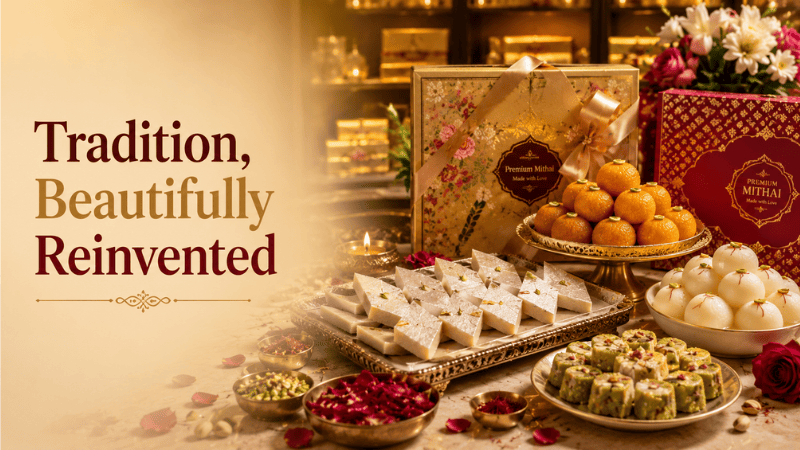
Mithai has always carried enormous emotional weight in Indian households, but 2026 is proving that nostalgia and innovation can coexist. Surveys suggest a large majority of urban Indians still reach for traditional sweets as their default festive gift, valuing the cultural memory and taste over flashier alternatives like artisanal chocolates or imported hampers. That's a strong signal that traditional sweets aren't being replaced; they're being upgraded.
What's changed is the packaging, hygiene standards, and shelf life. Organised sweet brands are introducing longer-lasting, cleanly packaged versions of classics like kaju katli, motichur laddu, and rasgulla, while quick-commerce platforms now run dedicated sections for mithai during festival periods, making it possible to order a box of fresh sweets the same way one might order groceries. At the premium end, festive-season mithai infused with rose, saffron, and edible gold has commanded eye-watering prices, showing that Indian consumers are willing to pay significantly more for craftsmanship and presentation when the occasion calls for it.
For households that still prefer the classic route laddoos, barfis, and gulab jamun made the way grandmothers intended exploring a curated traditional sweets selection is often easier than hunting down a reliable sweet shop in an unfamiliar neighbourhood, especially for festival gifting on a deadline.
There's also a quiet ingredient shift happening behind the scenes. Some mithai makers are experimenting with jaggery, dates, and natural sweeteners in place of refined sugar, positioning certain sweets as a slightly more "permissible" indulgence without asking anyone to give up the format entirely. This isn't about turning mithai into a diet food nobody wants a barfi that tastes like a compromise but it does show an industry paying attention to changing health expectations while still protecting what makes a sweet recognisably itself.
Global appetite is playing a role here too. Indian sweet brands have started showing up in international gifting catalogues and premium hampers abroad, often reworking familiar shapes like gulab jamun or jalebi into formats waffles, tarts, fusion desserts that feel new to overseas audiences while still carrying an unmistakably Indian flavour signature. That export ambition is feeding back into domestic innovation since brands that want to scale internationally usually end up investing in better packaging and consistency at home first.
The Business Behind Mithai: A Market Worth Watching
It's easy to think of mithai as a purely emotional, cultural product, but the numbers behind it are genuinely striking. India is one of the largest producers and consumers of sweets and non-chocolate confectionery in the world, and the packaged sweets segment alone is projected to grow at a compound annual rate well above 15% over the coming years, expanding from a market worth thousands of crores today to several times that size within a decade.
Several forces are feeding this growth. Urbanisation means fewer people have a neighbourhood sweet shop within walking distance, so branded, packaged mithai fills the gap. Festivals and weddings continue to generate predictable seasonal demand. And a new wave of direct-to-consumer sweet brands is scaling quickly by combining traditional recipes with modern retail formats some are even reportedly preparing for stock market listings, something that would have been unthinkable for a mithai business a decade ago. None of this changes what a laddoo tastes like, but it does explain why the category keeps showing up in business headlines alongside tech and retail news.
Nuts and Berries: The Quiet Revolution in Indian Snacking
While spice and sweetness get most of the attention, a quieter shift has been happening in the snack aisle: dried fruits, nuts, and berries have moved from "occasional festive gift" to "everyday pantry staple." India's dried fruits and nuts market was valued at over two billion dollars in 2025 and is expected to grow steadily through the next decade, driven by rising incomes, better retail access, and a genuine shift toward healthier snacking habits.
Part of this is generational. Younger, urban consumers are swapping packaged candy and fried namkeen for a handful of almonds, walnuts, or dried berries not because it's trendy to do so, but because these snacks travel well, don't need refrigeration, and fit into busy work schedules. Nutritionally, they carry real weight, too: walnuts are often highlighted for their omega-3 content and cognitive benefits, dates for their iron and potassium, and dried figs for calcium and gut-friendly fibre, with some of these even rooted in old Ayurvedic home remedies that are now getting fresh attention from modern nutrition science.
Retail formats are evolving alongside the nutrition story. Instead of buying a plain kilo bag of almonds or cashews, shoppers are increasingly reaching for pre-portioned packs, trail mixes, and flavoured roasted nuts designed for a specific moment in the day a mid-morning energy boost, a post-workout snack, or something to nibble on during a long commute. This kind of format innovation matters because it removes friction: nobody needs to measure out a healthy portion themselves when the pack is already designed around one.
It's also worth noting how this category has quietly become recession-resistant and habit-forming at the same time. Unlike a trendy dessert or a seasonal spice blend, dried fruits and nuts don't really go out of fashion; they simply keep finding new formats and new occasions to be relevant in.
Why International Nuts & Berries Mixes Are Winning Over Health-Conscious Indians
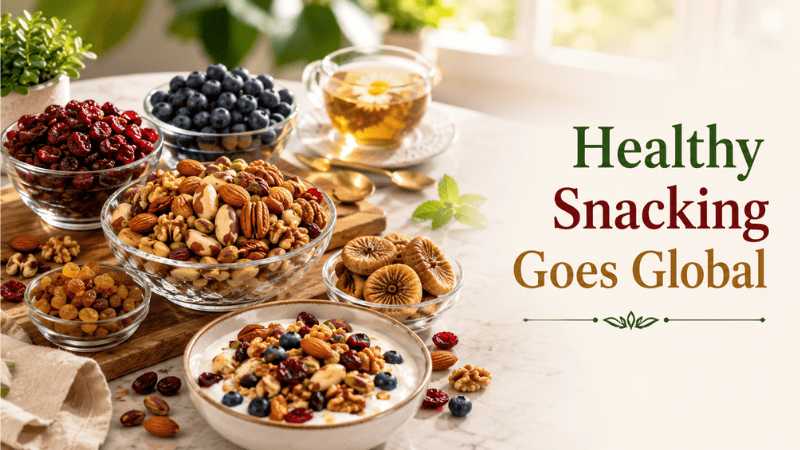
What's particularly interesting is how "international" nuts and berries cranberries, blueberries, Brazil nuts, pecans, and premium imported varieties have found a firm place in Indian shopping carts alongside homegrown cashews and almonds. Trade shows and industry bodies have actively worked to introduce global dried fruit varieties to Indian buyers, and the response has been strong enough that premium, blended products combining nuts, seeds, and dried fruits are now commanding higher price points than plain single-ingredient packs.
A product like International Nuts & Berries fits neatly into this trend, a ready-to-eat blend that saves the effort of buying and mixing several imported ingredients separately. It's the kind of snack that works equally well tossed into a bowl of curd for breakfast, packed into a lunch box, or set out during a get-together without needing any cooking or prep. For people trying to build healthier habits without giving up flavour or convenience, this category is proving to be a genuinely practical middle ground.
Bringing It All Together: Building a Balanced Plate at Home
One of the more charming things happening in Indian kitchens right now is how naturally these three categories are starting to mix rather than staying in their own lanes. A weekend spread might include a fiery pickle, a plate of traditional sweets for the family elders, and a bowl of mixed nuts and berries for anyone trying to eat a little lighter, all served together without anyone thinking it's an unusual combination.
Some home cooks are going a step further and actively blending categories: chilli-dusted roasted cashews, jaggery-sweetened trail mixes with a hint of black salt, or dried cranberries folded into a festive kheer instead of the usual raisins. None of this requires abandoning tradition; it's simply layering new textures and flavours onto dishes that have existed for generations. That kind of experimentation is arguably what keeps a food culture alive rather than frozen in amber.
Regional Flavours Taking Center Stage Nationwide
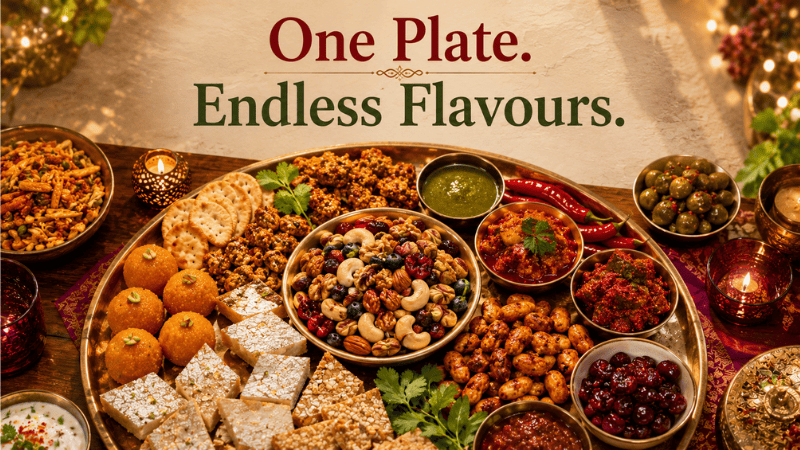
Another thread running through all three categories is a growing appreciation for regional identity over generic labelling. Instead of just "spicy" or "sweet," shoppers are increasingly drawn to origin stories Kashmiri chilli, Konkan kokum, Coorg pepper, or a Bengali-style sandesh made with a particular kind of chhena. This isn't limited to spice blends either; sweet brands are highlighting regional specialities from across the country, and premium nut and berry brands are doing the same by sourcing from specific growing regions abroad.
This regional storytelling does more than sound nice on packaging. It gives shoppers a reason to try something new rather than defaulting to whatever's most familiar, and it helps smaller, heritage-focused producers compete with larger, more generic brands purely on the strength of authenticity and provenance.
Shopping Smart: What to Look for in Spicy, Sweet, and Nutty Products
With so many options now available online, a little bit of label-reading goes a long way. For spicy products helps to check whether the heat comes from a named regional chilli or a generic blend since this often reflects both flavour quality and how the product was sourced. For traditional sweets, freshness and ingredient transparency matter more than flashy packaging a shorter ingredient list using ghee, Khoya, or jaggery is usually a better sign than one padded with preservatives and artificial colour. For nuts and berries, it's worth checking for added sugar since many commercially dried berries are coated in syrup that can quietly turn a health snack into a dessert.
None of this means people need to become full-time label detectives. It simply means treating these three categories with the same care that's typically reserved for buying groceries in person, even when the shopping happens through an app or a website instead.
Key Takeaways
-
India's spice tolerance and appetite for bold, regionally distinct heat are both rising, with restaurant menus leading the charge over home cooking.
-
The global "swicy" trend has landed strongly in India, blending sweet and spicy flavours in snacks, street food, and even reinvented mithai.
-
Traditional sweets remain deeply culturally important, and the market is professionalising through better packaging, hygiene, and quick-commerce access rather than disappearing.
-
The Indian packaged sweets and mithai industry is growing at a fast pace, supported by premonstration and festival demand.
-
Nuts, berries, and dried fruits, both Indian and international, are shifting from occasional treats to everyday healthy snacks.
-
International nuts and berries blends offer a convenient way to access global varieties without needing to source and mix them individually.
-
Regional identity and provenance are becoming stronger purchase drivers across spicy foods, sweets, and nuts alike.
-
Reading labels carefully for chilli origin, ingredient lists, and added sugar helps shoppers make better choices in all three categories.
Frequently Asked Questions
Q: Is it true that Indians are eating spicier food than before, or does it just feel that way? A: It's backed by data. Restaurant menus have shown a sharp year-on-year rise in spicy flavour claims, with most of that growth concentrated in food service rather than home cooking, suggesting people are actively seeking bolder heat when eating out or ordering in.
Q: What does "swicy" actually mean? A: It's shorthand for the sweet-and-spicy flavour trend, where dishes intentionally combine sugary or tangy notes with chilli heat in the same bite think sweet-glazed spicy snacks or mithai with a hint of pepper.
Q: Are packaged traditional sweets as good as fresh ones from a local sweet shop? A: Quality varies by brand, but many organised players have invested specifically in freshness, hygiene, and ingredient transparency, closing much of the gap that used to exist between packaged and freshly made mithai.
Q: Are dried fruits and nuts actually healthy, or are they just high in calories? A: They're calorie-dense but also rich in protein and fibre, which tends to increase fullness and can help with overall appetite control when eaten in reasonable portions rather than avoided altogether.
Q: What's the advantage of buying an international nuts and berries mix instead of plain almonds or cashews? A: A blended mix introduces variety like cranberries, blueberries, and premium imported nuts in a single convenient pack, which is often easier and more cost-effective than sourcing and combining each ingredient separately.
Q: Do sweetened dried berries count as a healthy snack? A: Not always. Many commercially available dried berries are coated in added sugar, so it's worth checking the label and choosing no-added-sugar versions when the goal is a genuinely healthy snack.
Explore India's finest spicy foods, traditional sweets, and premium international nuts & berries today at Deliciouskart