

Quick Bites and Evening Snacks: A Deep Dive from Our Side
Have you ever finished a long day — perhaps after college lectures, work assignments, or a hectic commute — and felt a heavy, insistent pang of hunger around tea time or just before dinner? We sure have. That craving often isn’t for a full meal, but for something quick, satisfying, and comforting. In India, this small but powerful ritual of “evening snacks” is practically sacred — a pause button in our everyday rush, a moment to unwind with tea and a bite.
In this post, we explore how “quick bites,” “evening snacks,” and “light snacks” fit into modern Indian life — why we reach for them, what’s changing in snacking trends, and how we can make smarter snack choices that satisfy both taste buds and health.
Why Quick Bites & Evening Snacks Matter
Snacking Is More Than a Treat — It’s a Habit for Many
Snacking in India is no longer just a perk; for many of us, it has become a routine. A study by Mondelez International found that the “average Indian adult now eats more snacks than meals on a given day,” with 2.70 snacks consumed compared to 2.37 meals. (The Indian Express)
Moreover, nearly three-in-five Indian consumers snack at least twice a day, while about 15% are “super snackers,” munching four or more times a day. (Mintel)
For many of us, balancing studies, work, commuting, and chores, snacks offer a convenient, fast, and satisfying option.
Evening — A Natural Snacking Moment
Evening tea or coffee time has been part of Indian culture for decades. According to a recent “Healthy Snacking Report 2024,” over 70% of Indians said their favorite time to snack is with evening tea or coffee. (The Times of India)
This ritual isn’t just about hunger — it’s about taking a break, unwinding, catching up with family or friends, or simply enjoying a quiet moment after a hectic day.
The Changing Face of Snacking — From Fried & Greasy to Smart & Light
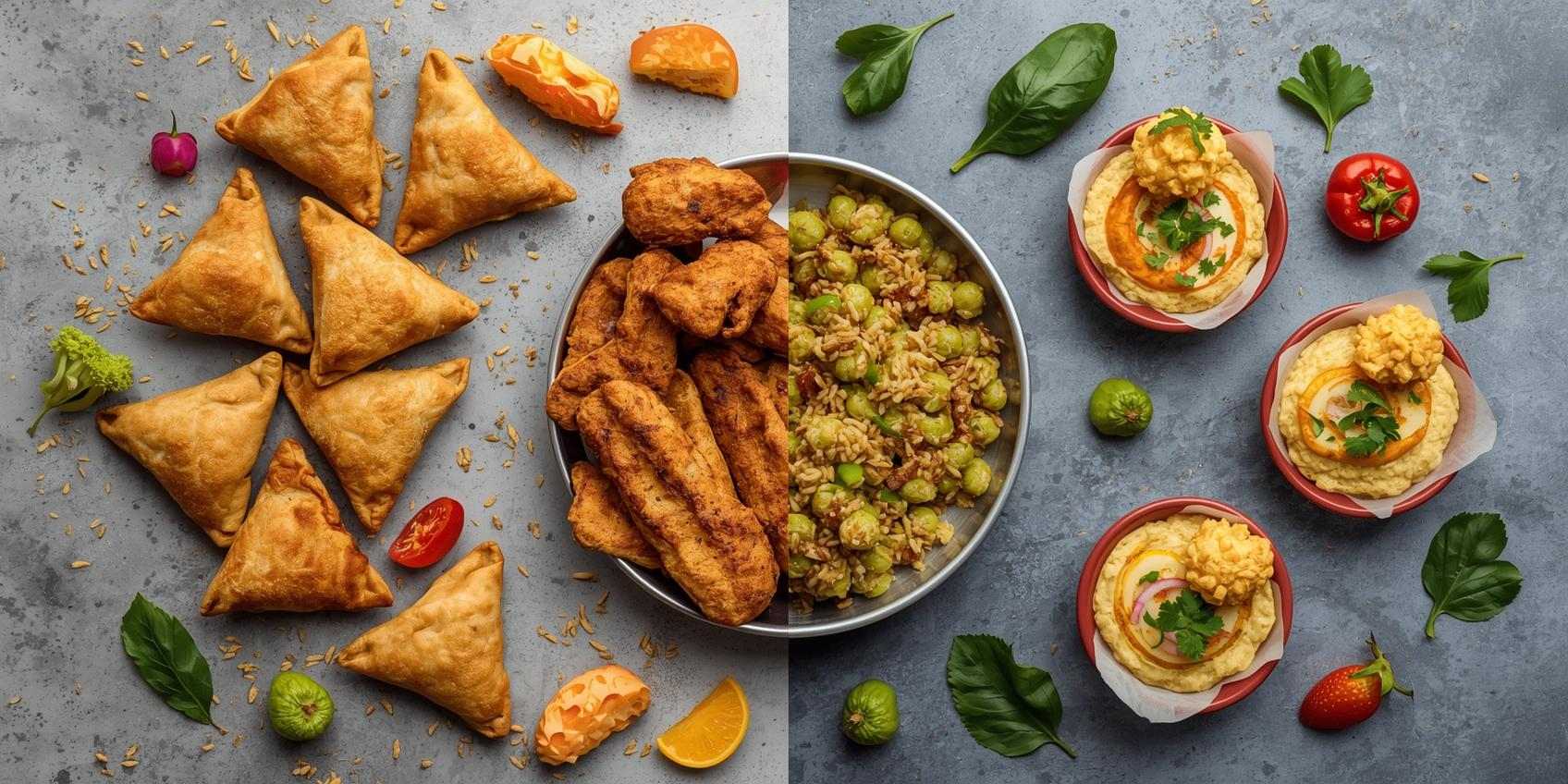
Traditional Snacks: The Old Love Affair
For decades, our go‑to snacks have been the crunchy, salty, sometimes oily — but always delicious — delights: samosas, pakoras, vada pav, namkeen, bhujia, and more. These have a strong place in our food culture. However, such “heavy evening snacks” come with risks.
According to nutrition experts, regularly relying on fried or greasy snacks can disrupt meal timings, lead to delayed dinner, and contribute to weight gain, digestive issues, and long‑term health problems like cholesterol, indigestion, or metabolic issues. (NDTV Food)
Rise of Smart & Conscious Snacking
Times are changing — and so are our snacks. With rising health awareness across India, “smart snacking” — lighter, nutritious, balanced snack options — is growing faster than traditional snacks. In fact, smart snacking is growing 1.2 times faster than traditional snacking in terms of value. (Gujarat Samachar)
Today, about 63% of consumers reported that they actively look for healthier, innovative snacking options. (Gujarat Samachar)
Moreover, 50% of Indians now read ingredient lists and nutritional values before buying snacks — a clear sign of conscious eating becoming mainstream. (Gujarat Samachar)
And traditional healthy snacks — like nuts, seeds, whole‑grain mixes, or roasted goodies like makhana (fox nuts) — are becoming increasingly popular. (The Times of India)
What Makes a Good Evening Snack
When we think “light snack” or “evening snack,” we often look for something that is:
-
Easy to prepare or grab quickly
-
Light on the stomach — won't spoil dinner or cause heaviness.
-
Provides energy or satiety without excessive calories, oil, or sugar
-
Ideally offers some nutritional benefit — e.g., proteins, fiber, whole‑grains, nuts, etc.
Given how our dinners may be late or sometimes irregular, a light snack that doesn’t heavily load our digestive system becomes a smart choice.
Examples of Smart Evening Snacks to Try
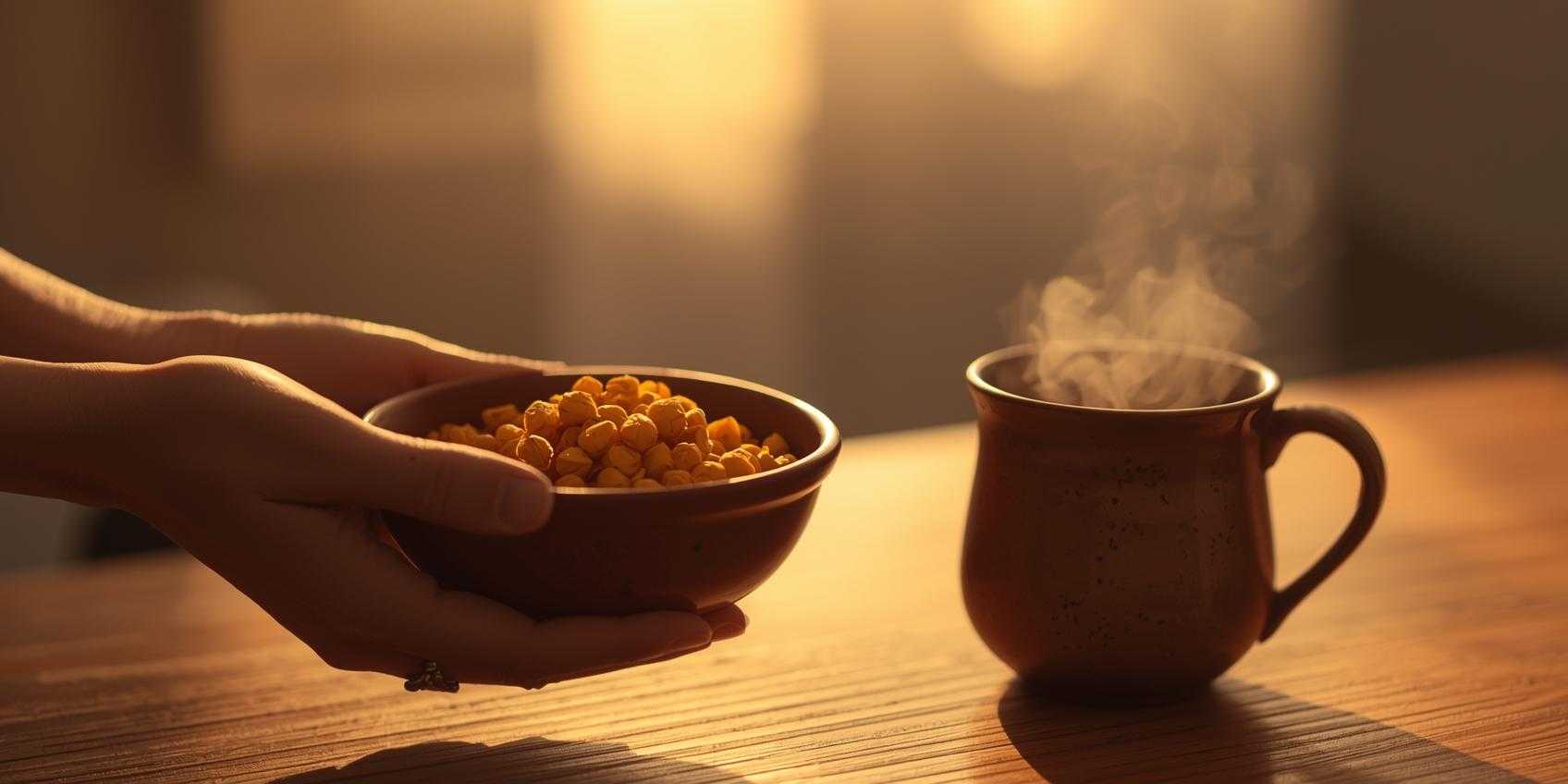
Here are some snacks — traditional or modern — that strike a balance between taste, ease, convenience, and health. We can easily include them in our evening routine:
-
Roasted nuts, seeds, or dry fruits — almonds, walnuts, peanuts, pumpkin seeds, etc. High in good fats and protein; easy to munch while studying or working.
-
Makhana (fox nuts) — light, crunchy, low-calorie, and a good alternative to fried namkeen.
-
Whole‑grain or multigrain biscuits / crackers — better than refined flour fried snacks, especially if paired with chai or light tea.
-
Homemade snacks with minimal oil — e.g., baked or air-fried pakoras, roasted chickpeas, khakhra, etc.
-
Fruits, fresh or with a handful of nuts — fresh fruit satisfies a sweet/craving in a healthier way than sweets or sugary snacks.
-
Low‑fat yogurt with fruit or nuts — refreshing, filling, and offers protein + good bacteria for digestion.
-
Simple South‑/North‑Indian light snacks with minimal oil — like steamed idlis, dahi puri (though portion control matters), or even light chaat with yogurt & minimal oil. (E.g., Dahi puri, though we must be mindful of hygiene if from vendors.) (Wikipedia)
When Light Snacks Make More Sense Than Heavy Ones
From our collective experience and backed by nutrition advice:
-
Late evenings: If dinner is planned for several hours later, a heavy fried snack may make us full and delay dinner — which may not be ideal — or cause us to skip dinner altogether. Light snacks avoid that problem. (NDTV Food)
-
Busy days: When we’re rushing — classes, work, chores — quick, light snacks give us energy without lagging digestion.
-
Health-conscious routines: For those trying to avoid weight gain, manage cholesterol, heart health, or simply eat cleaner — choosing light snacks helps in moderation.
-
Frequent snacking culture: Since many of us tend to snack multiple times a day, it’s better for those snacks to be light and nutritious rather than heavy and fried.
Challenges & Common Pitfalls with Snacking (and How We Can Overcome Them)

Problem: Confusing “Snack” with “Junk Food”
Often, we reach for the easiest, widely available items: fried samosas, chips, instant namkeens, sugary biscuits — because they taste good and are convenient. But these tend to be high in refined flour, salt, and oil and offer little nutrition.
Solution: Be mindful — read labels when buying packaged snacks. As per a recent survey, 73% of Indians now read ingredient lists and nutritional values before purchasing snacks. (The Times of India)
Whenever possible, prefer roasted, baked, or whole‑grain snacks over deep‑fried or high-sugar items.
Problem: Habitual Night‑time Snacking
It’s tempting to keep munching at night — especially while watching something, working late, or studying. But late‑night heavy snacking can affect digestion, sleep, and long‑term health. Nutrition experts often caution against heavy or greasy snacks close to dinner or bedtime. (NDTV Food)
Solution: If you must snack late, choose light options (fruit, nuts, yogurt) rather than heavy fried foods. Also, try to maintain a gap between snack and dinner to avoid disrupting digestion.
Problem: Skipping Meals Because of Snacks
A sturdy snack may leave us full, leading to a delayed dinner — or we might skip dinner altogether. This can unbalance our daily nutrition intake. (NDTV Food)
Solution: Use snacks to complement, not replace meals — especially balanced meals. Snacks should ideally tide us over till dinner, not replace it entirely.
Why the Trend Toward Healthy & Smart Snacking Is Growing in India
-
More awareness about nutrition and long‑term health among consumers. The number of people reading labels and checking ingredients is rising. (The Times of India)
-
Urban lifestyles, busy schedules, and variable meal timings make small, convenient snacks more convenient than fixed meals.
-
Demand for convenient, hygienic, and healthier snack options beyond traditional fried items — leading to innovation in snacks: baked snacks, nuts & seeds, whole‑grain biscuits, ready-to-eat healthy mixes. (Gujarat Samachar)
-
Increased desire to balance indulgence and health: younger consumers especially look for snacks that are tasty yet conscious of health and nutrition. (mint)
According to recent data, one in five packaged snacks in India is now marketed as “healthy,” showing how the industry itself is pivoting toward light, nutritious snacking. (The Times of India)
How We Can Build a Smarter Evening Snack Routine
Here’s a simple approach (that we ourselves can follow) to smart snacking:
-
Keep light snacks handy at home — store dry fruits, roasted nuts, whole‑grain biscuits, makkhanas, etc., to avoid reaching for chips or fried items.
-
Make snacks intentional, not mindless — instead of grabbing whatever’s around, decide what you want to snack on and why (hunger, energy, break, etc.).
-
Check labels if buying packaged snacks — ingredients, nutritional value, fat & sugar content. Choose snacks with fewer harmful ingredients.
-
Prefer homemade / minimally processed snacks — e.g., roasted chickpeas, khakhra, air‑fried snacks, fresh fruit + yogurt — whenever possible.
-
Balance snacks with main meals — use snacks to tide over hunger, not to replace dinner — unless you ensure balanced nutrition overall.
-
Be mindful of timing — avoid heavy snacking too late; if snacking close to dinner or bedtime, keep it light and small.
Some Snack Ideas That Work (for Us)
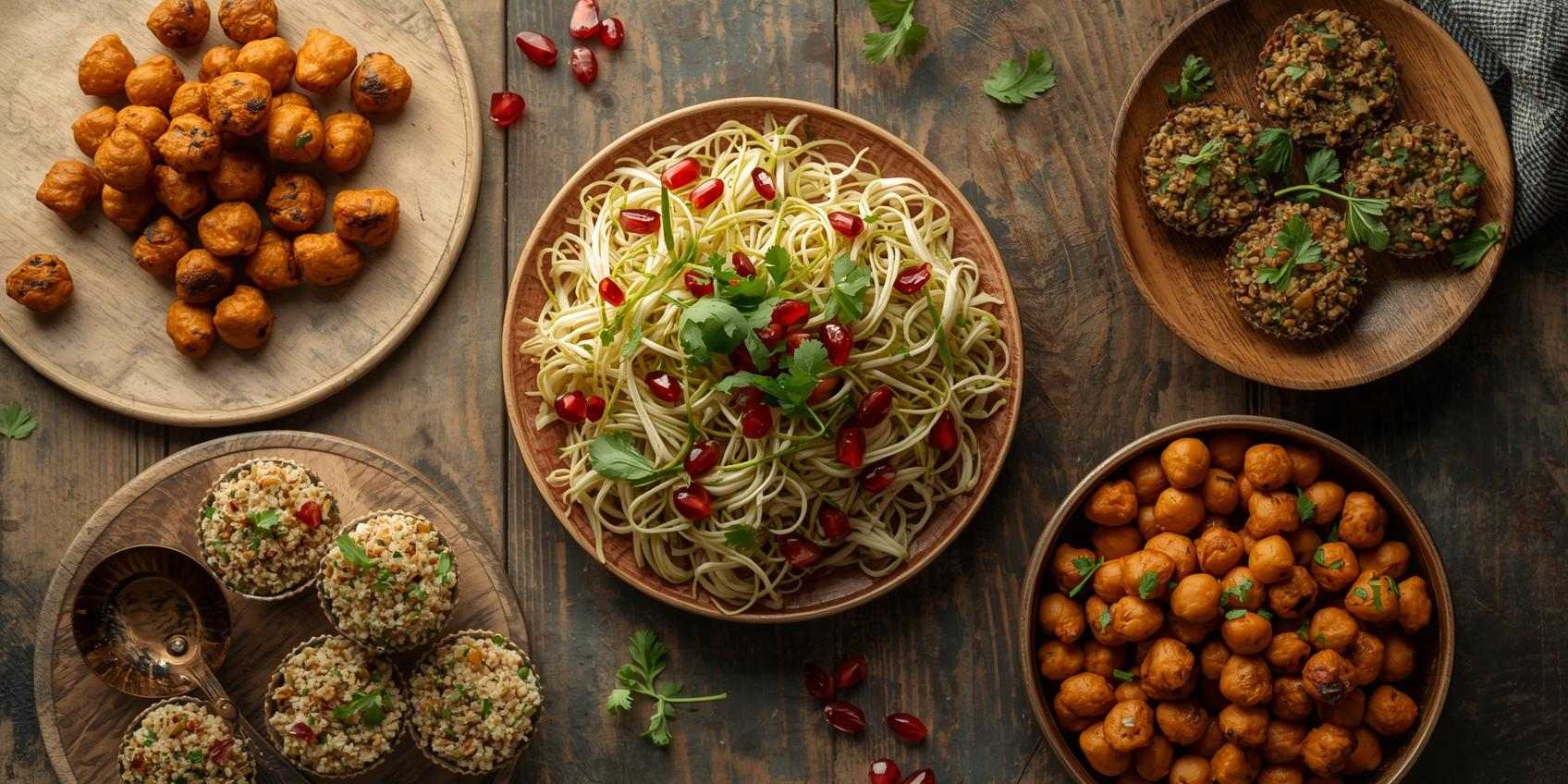
Here are some practical snack ideas we’ve found work well for light evenings in Indian homes:
-
Bowl of mixed roasted nuts + a cup of tea
-
Small portion of makhana (fox nuts), roasted with minimal oil & spices
-
Whole‑grain crackers or multigrain biscuits with a slice of cheese / peanut butter / yogurt
-
Fruit (banana, apple, orange) — maybe with a few almonds/walnuts
-
Roasted chickpeas or lightly spiced sprouts
-
Yogurt with chopped fruit / nuts — especially good in hot weather or when feeling heavy
-
Homemade baked veggie fritters or khakhra — lighter than deep‑fried options
These snacks satisfy cravings, are easy to prepare, and tend to keep us comfortable until dinner — without the guilt or heavy feeling of fried foods.
Conclusion: Our Take on Light & Evening Snacks
Snacking — when done thoughtfully — doesn’t have to be a guilty pleasure. It can be part of a balanced, nutritious, and satisfying daily routine.
In a fast‑moving world where meals get skipped, delayed, or replaced, light and smart snacks serve as a practical, healthy bridge. Especially in India, where snacking is woven deeply into daily life, we believe shifting toward mindful, balanced snacks can help us enjoy the best of both worlds — taste and wellness.
Key Takeaways
-
Snacking is a common, growing habit in India — many of us snack more than we eat full meals.
-
There is a visible shift from heavy, fried snacks toward lighter, healthier options such as nuts, whole‑grain snacks, makhana, and roasted items.
-
Smart snacking relies on conscious choices: reading labels, reducing oil and refined flour, and preferring homemade or minimally processed foods.
-
Light snacks are especially useful in the evenings — for energy, relaxation, and bridging hunger until dinner without overloading the stomach.
-
By being intentional and mindful about snacks — what, when, and why we eat — we can enjoy quick bites while still caring for our long‑term health.
FAQ
Q: Are evening snacks bad for health if eaten daily?
A: Not necessarily. Light, balanced snacks — like nuts, fruits, roasted items, yogurt — can be part of a healthy eating routine. The problem arises when snacks are heavy, fried, greasy, or rich in refined carbs and consumed very frequently. Overdoing such snacks may lead to weight gain, indigestion, and metabolic issues.
Q: How do we choose healthy packaged snacks?
A: Read labels carefully. Look for snacks with minimal refined flour, lower saturated fat, less added sugar, and avoid excessive salt or artificial additives. Snacks made with whole grains, nuts, seeds, or millets tend to be better choices.
Q: Can snacks replace dinner occasionally?
A: It’s not ideal. Snacks are usually meant to supplement meals — not replace them. Regularly replacing meals with snacks may lead to nutritional imbalance, missed nutrients, and poor long‑term health outcomes.
Q: What time is ideal for evening snacks?
A: Early to mid‑evening — preferably a few hours before dinner. This ensures snacks don’t spoil your appetite for dinner and your digestion remains smooth. Avoid heavy or fried snacks late at night, as those can disturb digestion and sleep.
Q: How do we avoid mindless snacking at night?
A: Build intention. Keep healthy snacks handy, decide consciously what you want to eat and why (hunger vs boredom vs stress), and avoid TV/phone‑triggered snacking. Smaller portions, hydration, and timing can also help curb unnecessary munching.