

We all know that magical late-afternoon moment when the world slows for tea—the gentle warmth of the cup, aromatic steam rising as a comforting promise. What if this simple ritual could be so much more? Pairing tea with health-forward foods can boost your energy, enhance immunity, and transform a snack into a wellness experience. That’s what we’ll explore: health foods, curated teas, and mindful tea-time snacks in the Indian context.
From centuries-old chai traditions to modern health teas, such as butterfly pea flower blends, tea time can be both delicious and nutritious. In this post, we’ll guide you through everything you need to know, backed by research, practical tips, and a full range of snack ideas that elevate your tea ritual without compromising your health.
Why Tea Time Matters: A Blend of Health & Tradition
Tea has been interwoven with daily life in India for generations — a shared social experience and a pause in the middle of a busy day. Whether it’s masala chai in the morning or a calming green brew in the afternoon, tea time represents comfort and connection.
Tea itself offers numerous health benefits, depending on the type you choose. For example:
-
Butterfly pea flower tea is a herbal infusion gaining popularity for its vibrant colour and soothing properties. It’s naturally caffeine-free, making it ideal for all ages. (Wikipedia)
-
Certain fermented tea beverages, like kombucha, are being explored for gut health due to probiotics. (The Times of India)
When we pair the right foods with tea, we not only satisfy cravings but also support whole-body wellness.
Understanding Health Foods: What They Really Are
Before diving into tea collections and snacks, it’s crucial that we define what “health foods” mean in a meaningful way.
Health foods are foods that provide essential nutrients — vitamins, minerals, fibre, antioxidants, and healthy fats — without excessive sugars, bad fats, or processed ingredients. These foods help:
-
Support digestion
-
Boost immune function
-
Maintain stable energy
-
Support weight management
This definition guides how we choose what to sip and what to nibble during tea time.
Building a Tea Collection: From Classic to Functional Brews
A curated tea collection gives us variety and allows us to choose blends that suit our health goals at any time of day.
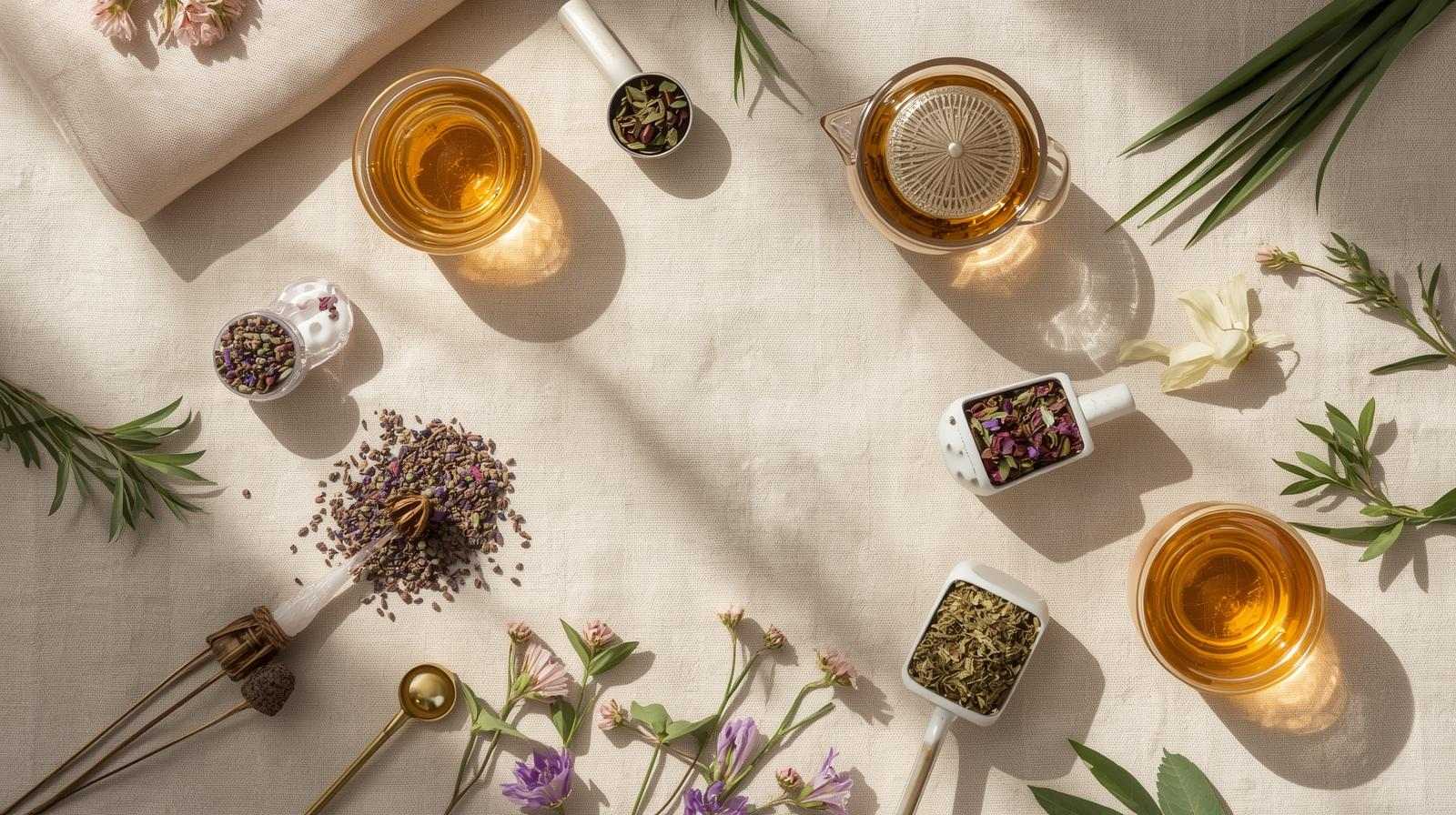
1. Traditional Indian Tea Blends
Masala chai holds a special place in Indian hearts — robust black tea combined with spices like cardamom, ginger, and cinnamon. While traditional masala chai may be served with milk and sugar, we can reduce sugar and use healthier milk alternatives to retain flavour while enhancing nutrition.
2. Green Tea & Herbal Tea Options
Green tea and herbal infusions like butterfly pea flower tea are lighter, rich in antioxidants, and caffeine-free, offering subtle botanical benefits and a unique blue hue. (Wikipedia)
3. Fermented Teas — A Functional Twist
Fermented teas such as kombucha combine traditional tea with probiotic benefits, supporting digestion and immune function. According to recent university research, kombucha is gaining traction in India for its probiotic content and health effects. (The Times of India)
4. Tea Pairings for Purpose
-
Morning Tea: Robust brew + high-fibre snack
-
Post-Lunch Tea: Green tea + digestive-supporting infusion
-
Evening Tea: Herbal/relaxing blend + protein-rich snacks
The Science of Tea Pairings: Why Snacks Matter
Tea alone is soothing, but the foods we pair with it affect our health outcomes. Snacks that lack nutritional value — like deep-fried pakoras or refined biscuits — may satisfy temporarily but can lead to energy crashes or weight gain. Studies show that healthier snack choices can decrease hunger pangs and help prevent overeating later in the day. (GO DESi)
When we choose nutrient-dense snacks, we help our bodies maintain balanced blood sugar, support metabolism, and even improve digestion. In this blog, we focus on snacks that bring flavour without guilt.
Healthy Tea-Time Snacks: Savoury & Nutritious Options
Here’s our curated list of healthy snack ideas that pair beautifully with tea — whether you’re sipping chai, green tea, or floral brews:
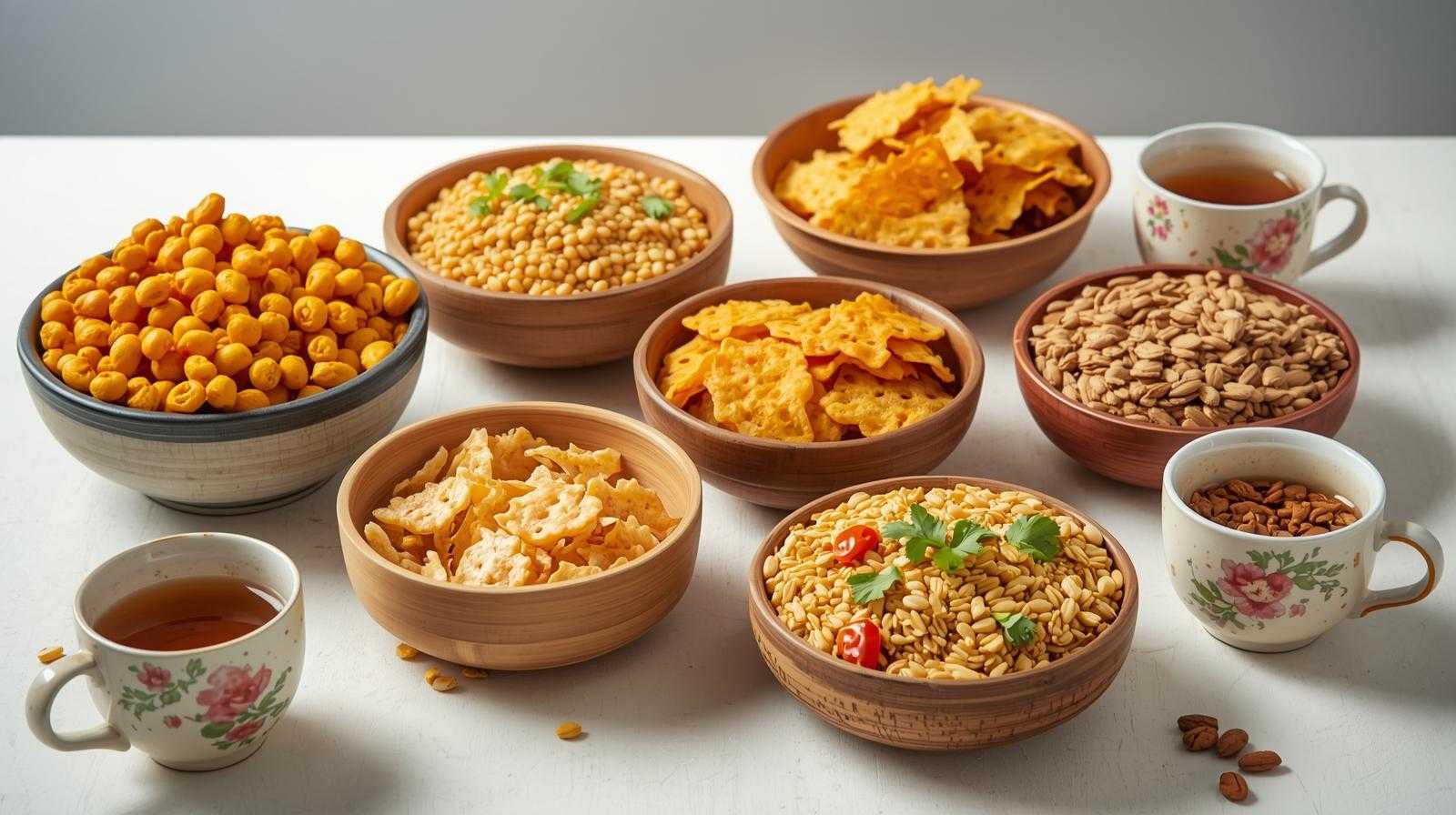
1. Roasted Makhana (Fox Nuts)
Roasted makhana is a low-calorie, crunchy snack high in calcium, fibre, and protein. It’s a perfect guilt-free accompaniment to tea. (The Times of India)
2. Roasted Chana (Bengal Gram)
Packed with protein and fibre, roasted chana satisfies the crunch craving without the oil and calories found in fried snacks. (The Times of India)
3. Makhana & Seed Mix Trail
Combine roasted makhana with seeds and berries for a snack rich in antioxidants, healthy fats, and texture. (Healthy Master)
4. Millet Mixture or Chivda
Made from millet, chana dal, and nuts, this mix is wholesome and keeps you fuller longer. (Healthy Master)
5. Sprouts Chaat
A tangy mix of sprouts, onions, lemon, and herbs delivers protein and fibre, balancing your tea break. (Healthshots)
6. Whole-Grain Khakhra or Crackers
Whole grains provide complex carbohydrates and fibre — a stable energy source. (The Times of India)
7. Fruit & Nut Plates
Seasonal fruits with a sprinkle of nuts add natural sweetness and healthy fats.
8. Homemade Vegetable Snacks
Options like vegetable poha or oats cutlets provide a balanced mix of nutrients. (NDTV Food)
Tea & Snacks Recipes We Love
Here are snacks you can easily prepare at home — pairing well with your tea and supporting overall health.
Savory Oats Cutlet
A fibre-rich, satiating snack made from oats, veggies, and spices — perfect with green tea. (NDTV Food)
Ragi Cookies
Nutritious cookies with calcium-rich ragi — ideal for an evening sweet treat without refined flour. (NDTV Food)
Vegetable Poha
Light, iron-rich, and satisfying — poha cooked with veggies is a classic tea-time snack. (Healthshots)
Each recipe balances macro and micronutrients to ensure we’re not just munching, but nourishing our bodies.
Mindful Eating at Tea Time: Tips for Better Habits
To make tea time truly beneficial, we recommend these mindful habits:
-
Skip added sugars when possible — especially in tea and snacks.
-
Portion control matters: Enjoy a handful of snacks rather than the whole packet.
-
Choose whole ingredients over refined or processed versions.
-
Balance flavours and nutrients: Pair sweetness with proteins or fibre.
These simple strategies help tea time remain a wellness ritual rather than an energy spike-and-crash moment.
Tea Time for Every Age: Inclusivity in Nutrition
Tea time isn’t just for adults — it’s a cultural ritual for families across India. Healthy snacks can be adapted for children and seniors alike. For instance:
-
Kids enjoy baked ragi cookies or fruit plates.
-
Seniors can benefit from roasted makhana or khakhra glucomannan combinations.
When we make healthy foods enjoyable, we create better habits across generations.
Conclusion: Key Takeaways
As we wrap up our guide, here’s what we want you to remember:
-
Tea time is more than a break — it’s an opportunity to support wellness through mindful food choices.
-
A curated tea collection — from traditional Indian masala chai to herbal teas like butterfly pea flower tea — can serve both pleasure and health. (Wikipedia)
-
Choosing snacks like roasted makhana, roasted chana, and sprout chaat enhances nutrient intake while satisfying cravings. (The Times of India)
-
Mindful habits — like reducing sugar and choosing whole foods — make your tea ritual truly beneficial.
Frequently Asked Questions (FAQs)
Q: Can tea be good for weight management?
A: Yes. Certain teas, like green tea and herbal blends, can support metabolism and help with weight goals when paired with balanced snacks and a healthy lifestyle.
Q: Are all tea-time snacks unhealthy?
A: Not necessarily. Traditional fried snacks may be high in calories and oil, but healthier alternatives like roasted makhana, sprouts chaat, or whole-grain crackers offer nutrition without guilt. (The Times of India)
Q: What’s a good snack choice for children at tea time?
A: Options like fruit plates, roasted nuts, or homemade ragi cookies provide nutrients and fibre suitable for kids.
Q: Should we avoid sugar in tea?
A: Reducing added sugar helps maintain stable blood sugar levels, but minimal honey or jaggery can be used for taste, depending on personal preferences.