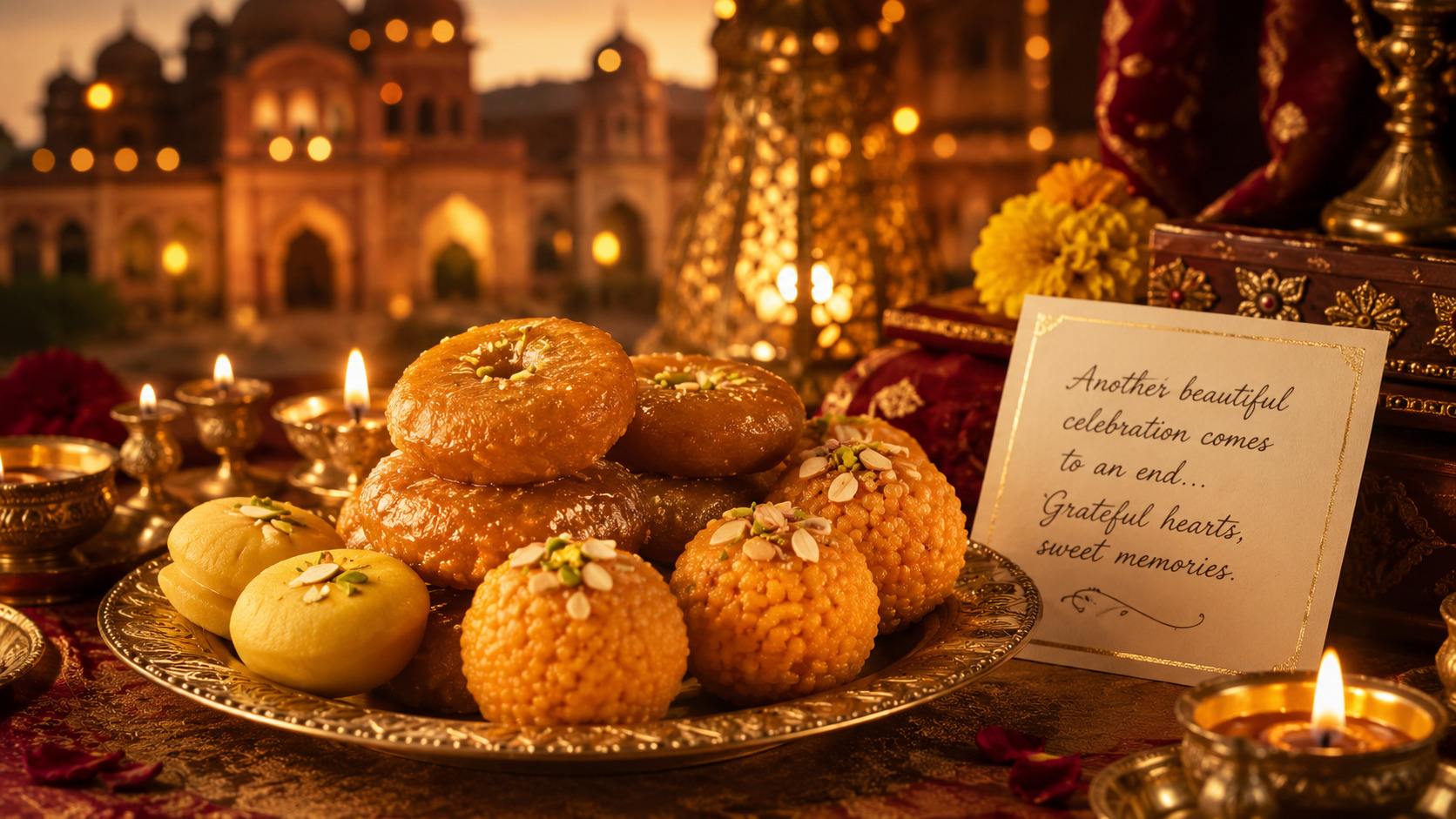
Introduction: The Sweet That Makes Every Moment Matter
There are moments in Indian life that words alone cannot honour, a child's first day of school, a wedding announcement, a promotion, a puja completed with devotion. What fills the silence in these moments? Almost always, it is a box of mithai. And more often than not, at the centre of that box sits a special balushahi, a special boondi laddoo, or a special peda, three of the most enduring sweets in the Indian culinary tradition.
We have all experienced it: the first bite into a perfectly fried, syrup glazed balushahi that crumbles just right; the subtle, cardamom kissed sweetness of a boondi laddoo that brings back memories of Diwali evenings; the melt in the mouth richness of a khoya peda offered reverently as temple Prasad. These are not just confections. They are cultural touchstones, flavor memories, and vessels of emotion, passed down through generations without losing a single note of their original character.
The Indian mithai market, valued in thousands of crores and growing steadily with both online demand and artisan revival, has proven one truth consistently: no matter how modern we become, special balushahi, special boondi laddoo, and special peda remain irreplaceable at every celebration. We explore why these three sweets continue to reign supreme, and why Anjani Sweets from Chirawa, Rajasthan, has become one of the most trusted names for those who refuse to compromise on authenticity.
The Undeniable Role of Mithai in Indian Celebrations
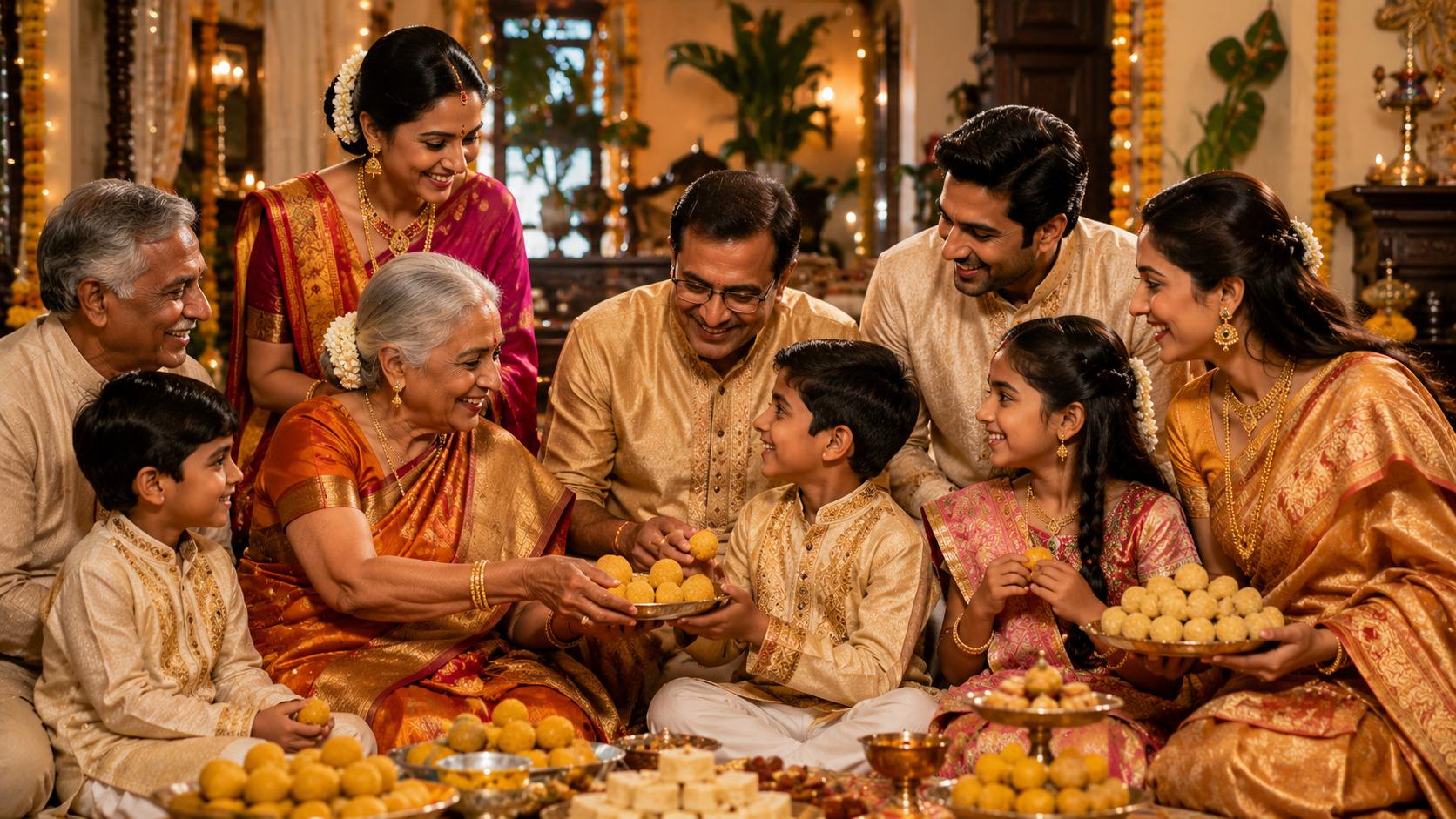
In India, no celebration is considered complete without sweets. Laddoos during Diwali, barfi during Raksha Bandhan, peda during Janmashtami, these sweets are not only about taste but also carry deep religious significance. This is not mere tradition for tradition's sake; it is a cultural grammar that has evolved over millennia.
The act of offering sweets in India is, at its core, an act of sharing joy. Whether it is the mithai distributed after a job offer letter arrives, or the thali of laddoos carried to the in laws after a baby's birth announcement, sweets mediate between the personal and the communal. The Halwai community has been regarded not just as food providers but as "creators of happiness" in society, whenever offerings are made in temples, their handcrafted sweets are always part of the prasadam.
What distinguishes the truly celebrated Indian sweets from ordinary ones is not just their recipe, but their place in collective memory. A wedding that is remembered decades later is often recalled alongside the quality of its mithai. This is precisely why sourcing from a trusted, heritage sweet maker is not an indulgence; it is an act of cultural responsibility.
Special Balushahi: The Royal Flaky Classic of Indian Mithai
What Is Balushahi and Where Did It Come From?
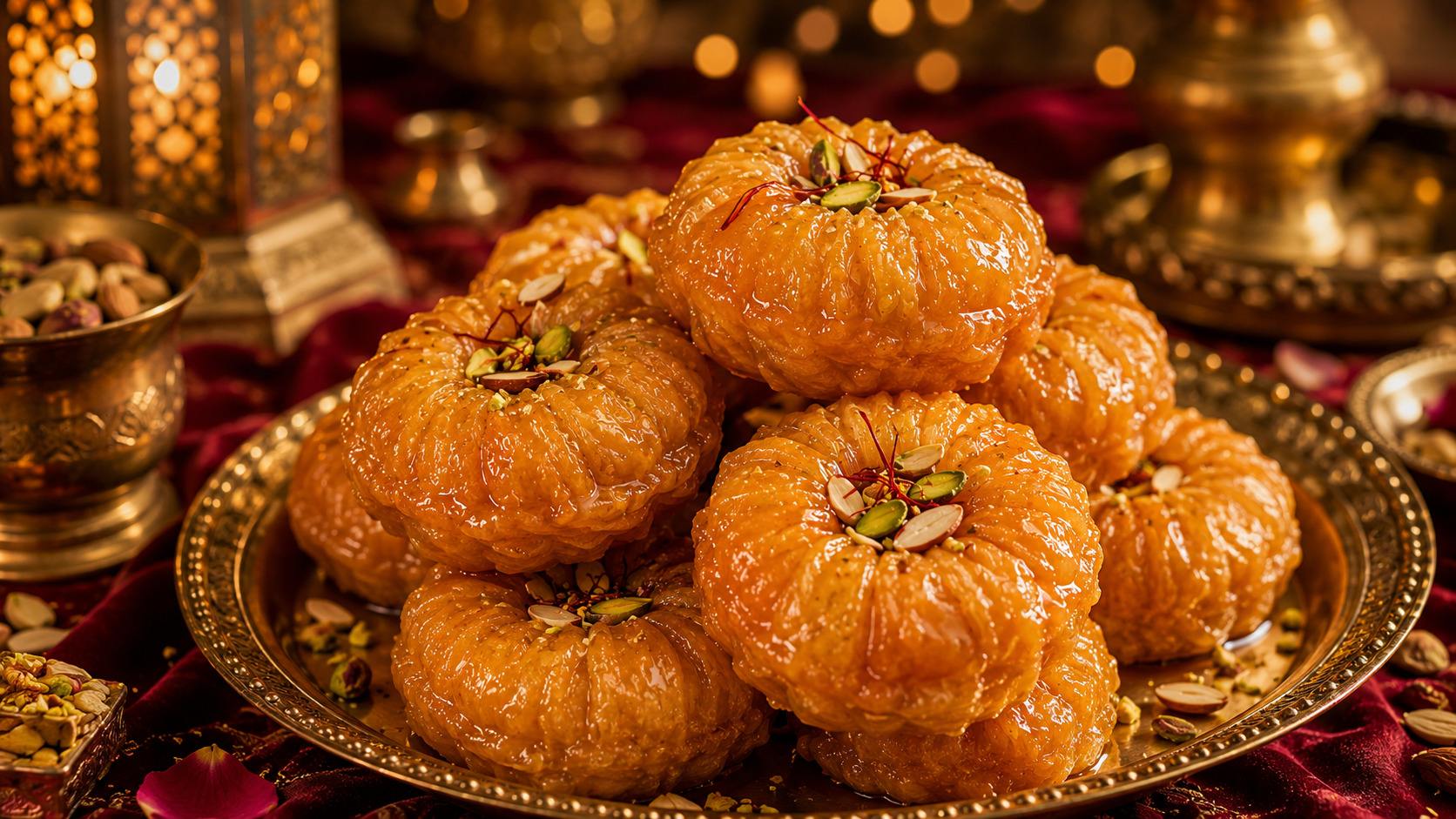
Balushahi is a beloved Indian sweet with a rich history that dates back centuries. This delectable dessert, often compared to a glazed doughnut but with a distinctively crisp and flaky texture, has been a staple in Indian households, festive celebrations, and religious offerings. Its origins can be traced to the Mughal era, influenced by Persian and Middle Eastern culinary traditions.
The very name tells a story. 'Balu' refers to sand, something that has a texture resembling sand. Since balushahi has a flaky texture that crumbles and melts in the mouth, its outer layer shines like sand. 'Shahi' means royal. Combined together, it means 'a shahi dish that resembles the texture of sand.'
When the recipe left royal kitchens, it adapted to local flavours and emerged as one of the best creations that Indians savour today. This culinary democratization, from imperial feast to neighborhood mithai shop, is what gives balushahi its timeless appeal.
The Craft Behind a Perfect Balushahi
Balushahi is made from a dough of all purpose flour, pure ghee, yogurt, and leavening. The dough is shaped like a donut, deep fried on low heat, and then soaked in a cardamom and saffron flavoured sugar syrup. The sweet has a lightly crisp outer layer with a soft, slightly flaky center.
The technique demands patience and precision. The deep fried sweet needs to be prepared with care so that its shape does not disintegrate as soon as it comes in contact with hot oil. The key is maintaining the temperature of ghee while frying; if it is on too low or too high a flame, the sweet will either under cook or overcook.
Regional Variations Across India
There are many regional variations of balushahi across India. In North India, it is less juicy and mildly sweet, while the South Indian version, known as Badusha, is richer, flakier, and noticeably sweeter. Badusha is commonly made in Tamil Nadu, Karnataka, Kerala, Andhra Pradesh, and Telangana.
Anjani Sweets' Special balushahi: Chirawa's Heritage in Every Bite
Anjani Sweets from Chirawa has been loved for its desserts since its origin, using the best quality ingredients under proper hygienic conditions. The mouth watering combination of crunch and softness in balushahi makes it irresistible.
Anjani Sweets' special balushahi is crafted from refined flour, pure desi ghee, cardamom, saffron, yogurt, sugar, almonds, pistachios, and other dry fruits, a formulation that honours the Mughal origins of this sweet while speaking directly to Shekhawati's tradition of generous, flavourful mithai.
Special Boondi Laddoo: The Most Universal Indian Sweet
A Sweet as Ancient as Indian Civilisation Itself
Laddoo has been described as "perhaps the most universal and ancient of Indian sweets." In the 3rd-4th century Sanskrit medical text Sushruta Samhita, ladduka are described as small balls of jaggery, peanuts, and sesame seeds coated with honey, used as an antiseptic and to deliver medication.
The journey from medicinal ball to celebratory sweet is one of the fascinating arcs in Indian culinary history. Today, the boondi laddoo stands at the pinnacle of this evolution, refined, aromatic, and deeply symbolic.
Why Boondi Laddoo Reigns Supreme at Festivals
Boondi Laddoo is one of the most auspicious sweets for Dhanteras, symbolising prosperity and good fortune. Crunchy boondi soaked in aromatic sugar syrup, enriched with saffron and cardamom, is shaped into golden laddoos that are a favourite across all age groups.
This cross generational appeal is rare in the mithai world. While certain sweets trend with younger audiences or skew older, the boondi laddoo genuinely bridges every demographic, it is equally at home at a child's birthday, a grandmother's pooja, or a corporate gifting hamper.
The Art and Science of Boondi Laddoo Preparation
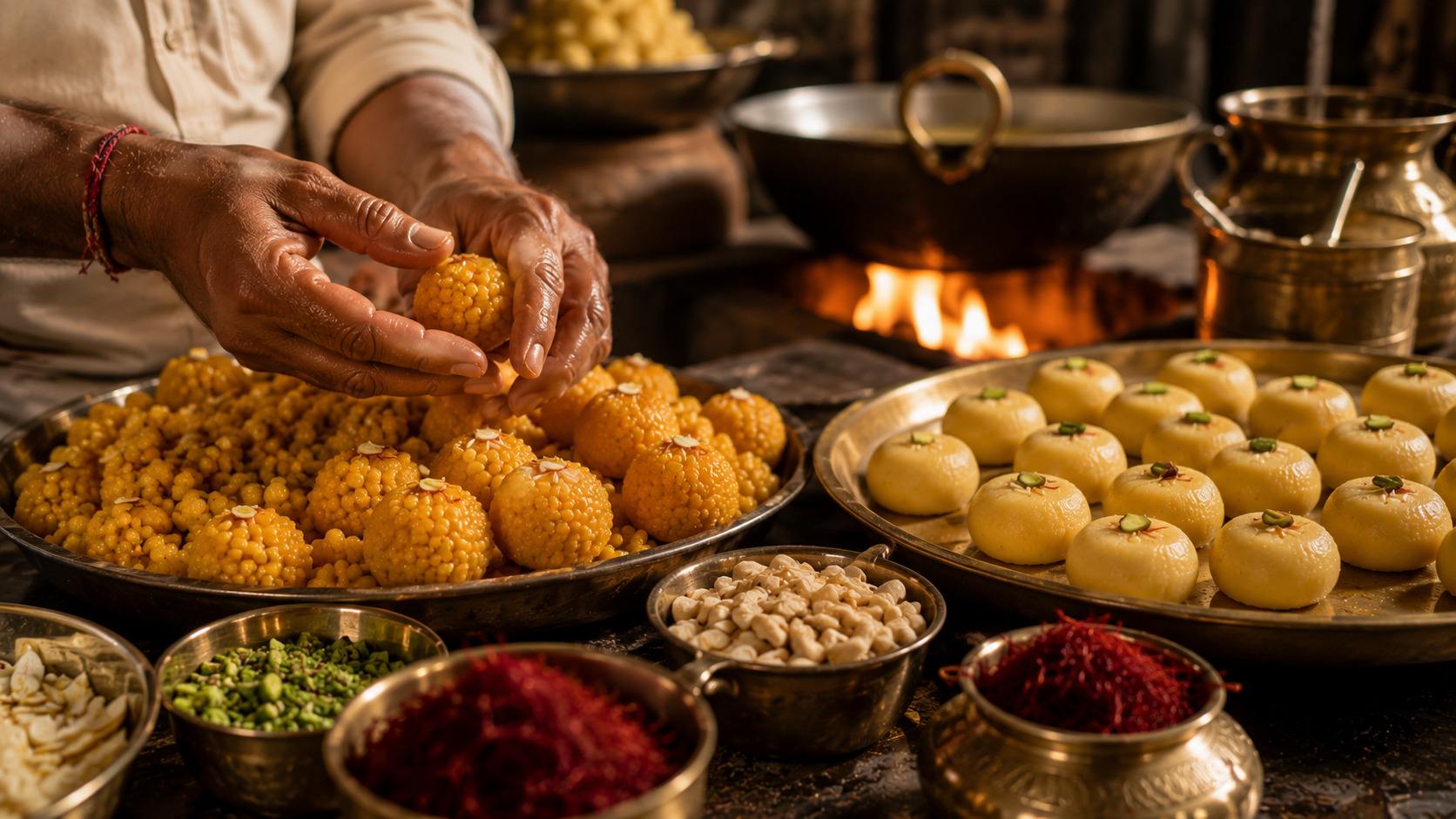
The preparation of a great boondi laddoo is a study in controlled craft. The besan (chickpea flour) batter must be smooth and precisely thick, thin enough to pass through a jhara (perforated ladle) to form uniform pearls, but rich enough to carry the full weight of ghee and spice.
Once the boondi is fried to a golden hue, it is immediately submerged in warm sugar syrup infused with cardamom and saffron. Skilled halwais compress the syrup soaked boondi into laddoos while still warm, shaping them with practiced hands into the dense, fragrant spheres we know and love.
Anjani Sweets' Special Boondi Laddoo: Shekhawati's Pride
Anjani Sweets' boondi ke laddu is made from besan, pure ghee, cardamom, saffron, almonds, and other dry fruits ingredients that speak of both tradition and quality. Every laddoo is a handcrafted expression of a regional sweet making culture that has refused to dilute its standards.
Special Peda: The Sacred Sweet of Devotion and Celebration
The Origins of Peda: From Temple Offerings to Everyday Delight
It is thought that peda first originated in Mathura, a dairy based area where dairy is a significant part of both food and religion. Peda has always been a component of temple prasad, made by reducing milk into thick khoya, and flavoured with saffron or cardamom. Though now sold everywhere, it still carries strong cultural and spiritual associations.
Peda represents selfless love and devotion, embodying the spiritual essence of offering the best to the deities. Few sweets carry this dual weight, the everyday accessibility of a neighbourhood mithai shop combined with the spiritual significance of a deity's preferred offering.
What Makes a Peda Truly Special?
The distinction between an average peda and a special peda lies in three things:
-
The quality of khoya (mawa): Genuine khoya, made by slow reducing full fat milk over hours, has a density and sweetness that milk powder cannot replicate.
-
The ratio and quality of flavouring: Authentic saffron (kesar) and freshly ground cardamom (elaichi) provide an aromatic depth that lingers after the last bite.
-
The proportion of dry fruits: Almonds, pistachios, and cashews embedded in a peda are markers of generosity, both in ingredient cost and in the sweet maker's intent.
Chirawa Peda: A Regional Legacy
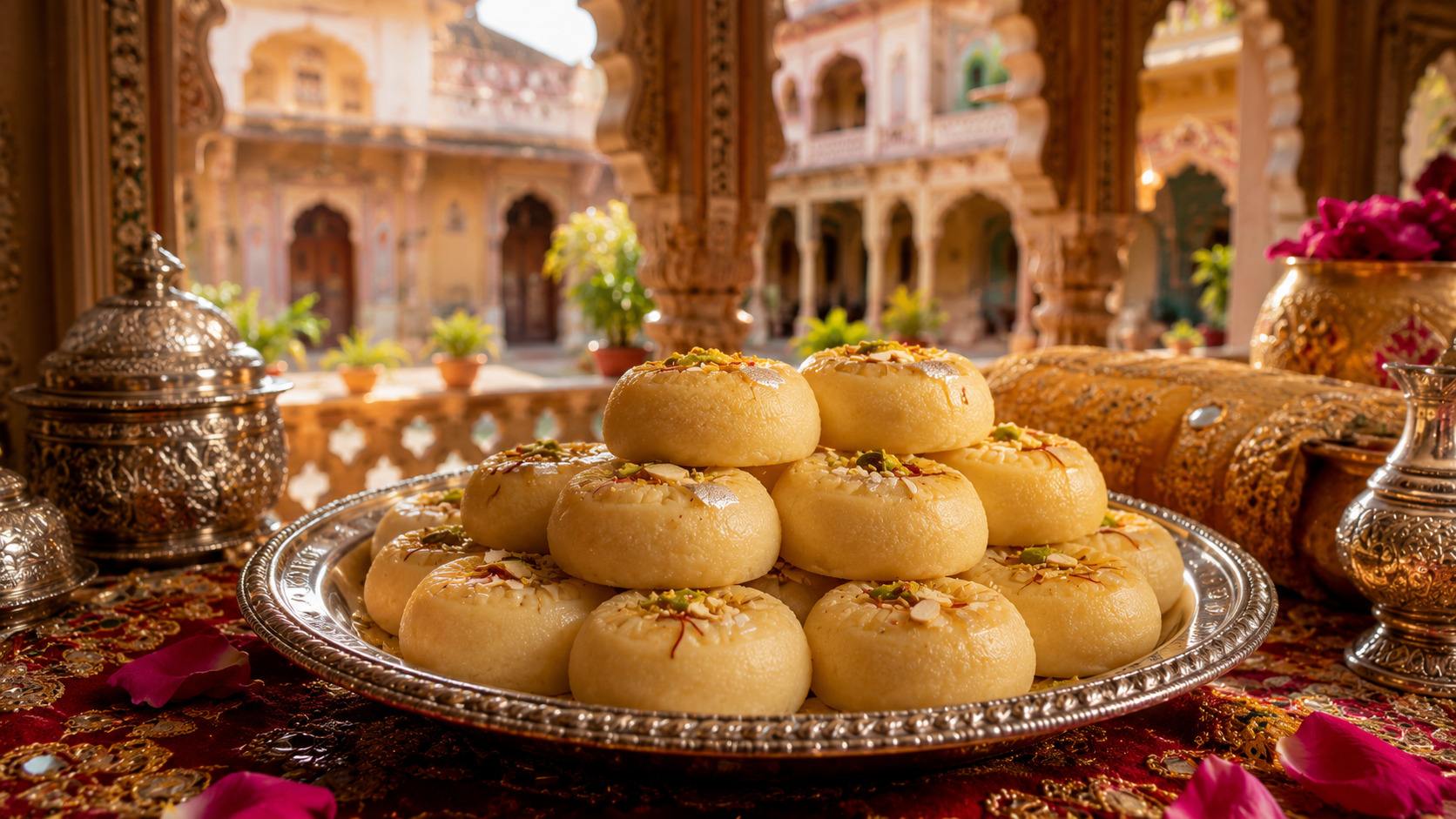
Chirawa, in the Shekhawati region of Rajasthan, has long been renowned for its distinctive peda. Anjani Sweets maintains this legacy with integrity , their Chirawa Peda is a milk based sweet made with mawa (evaporated milk), milk powder, milk, cardamom, ghee, sugar, and dry fruits, that melts right into your mouth.
The Shekhawati Sweet Making Tradition: Why Region Matters
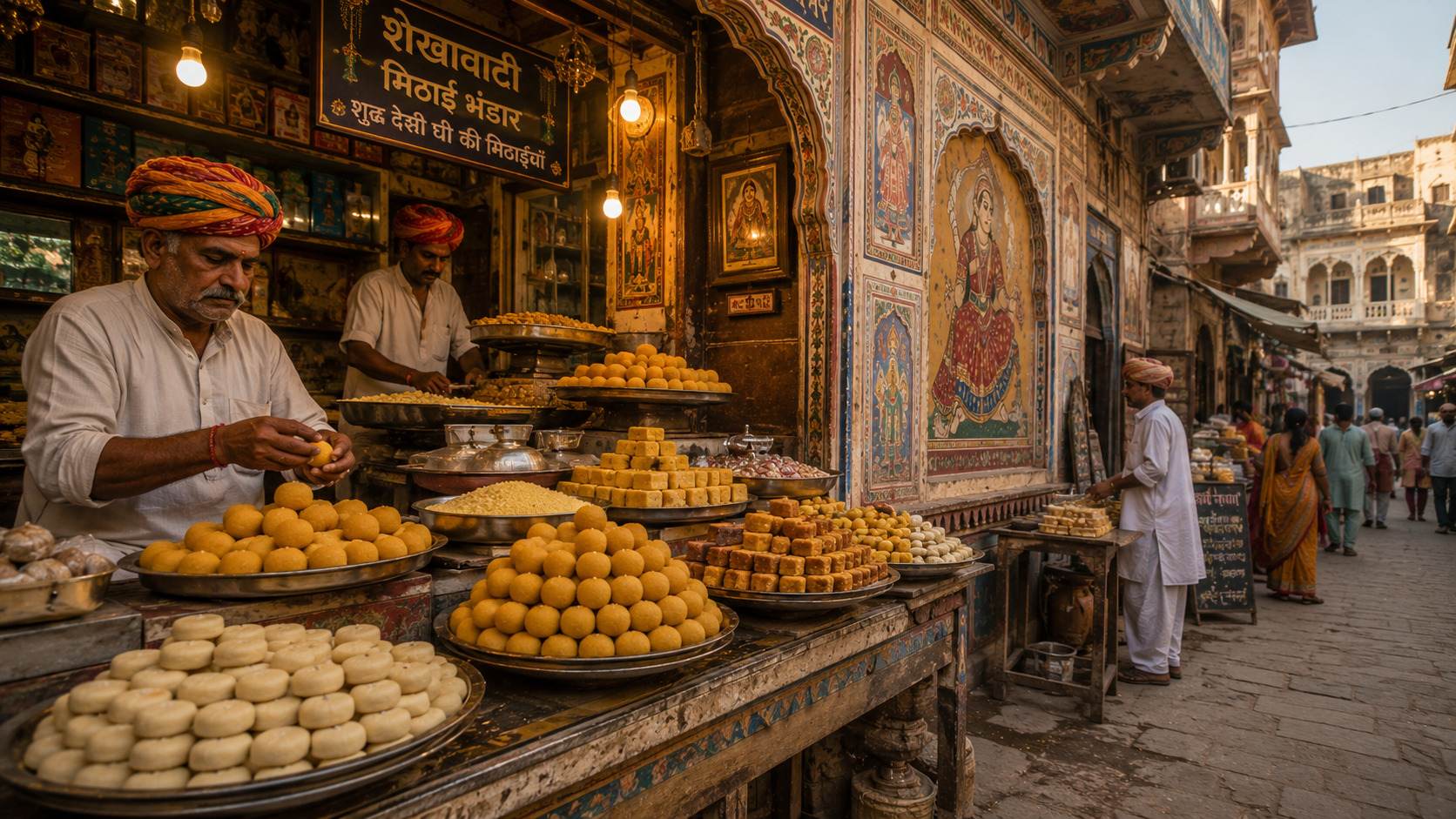
Indian sweets are not homogeneous. Just as different regional pastry traditions carry their own distinct character, the mithai of Rajasthan's Shekhawati belt carries characteristics shaped by centuries of local dairy culture, trade influences, and community preferences.
The Shekhawati region, historically a prosperous merchant zone, developed a sweet making culture that prized richness and generosity, qualities that remain embedded in every product from Chirawa's finest mithai establishments. Anjani Sweets makes all sweets in pure desi ghee and milk, continuing a tradition that spans generations.
Online Mithai: How to Choose Authentically in the Digital Age
The rise of e-commerce has done something remarkable for heritage sweet makers: it has given regional artisans a national audience. Platforms like DeliciousKart now make it possible for someone in Bengaluru or Mumbai to receive Chirawa's most celebrated sweets without compromising freshness or quality.
When ordering traditional sweets online, we recommend considering the following:
Ingredient transparency: Verify that pure ghee, natural saffron, and real khoya are listed, not vague terms like 'traditional recipe.'
Hygiene certifications: Established sellers on reputable platforms maintain food safety standards.
Origin authenticity: Products labelled 'Chirawa peda' or 'Rajasthani balushahi' should genuinely originate from those traditions.
Reviews and reputation: Long standing sweet makers with consistent buyer feedback are generally more reliable.
The Nutritional Reality of Traditional Indian Sweets
There is an ongoing conversation in India's health conscious urban demographic about whether traditional sweets have a place in a balanced diet. Our position is that moderation and ingredient quality are the two relevant variables, not category rejection.
Traditional mithai made with pure desi ghee provides fat soluble vitamins and is metabolized differently than sweets made with refined vegetable oils. Khoya, a concentrated dairy product, supplies calcium and protein. Besan, the base of boondi, is a good source of plant protein and fibre.
The issue with many commercially produced sweets is not their traditional formulation but their substitutions: hydrogenated fats replacing ghee, artificial flavours replacing real cardamom, synthetic colours replacing saffron. When you choose a sweet maker like Anjani Sweets that insists on pure desi ghee and real milk, you are choosing authenticity in every sense.
Mithai as Cultural Expression: Sweets That Tell India's Story
Since India was the first nation to harvest sugar from the sugarcane crop, the cultural relationship with sweets runs extraordinarily deep. Sweets are among the first offerings made to the gods at festivals, and Indian mothers have always had a go-to sweet recipe for special occasions, inherited from their mothers in law.
This continuity, grandmother to mother to daughter, halwai to apprentice, region to region, is what gives traditional Indian sweets their meaning beyond taste. When we choose a special balushahi from Chirawa or a peda made the Shekhawati way, we are participating in something much larger: a living culinary tradition that has survived invasions, modernization, and the constant pressure of novelty.
How to Choose the Right Sweet for Every Indian Occasion
Choosing the right mithai for the right occasion is a subtle art:
Special balushahi is best suited for:
Wedding mithai boxes and return gifts
Diwali and Holi gifting
Corporate celebration hampers
Family gatherings where variety is appreciated
Temple prasad and religious ceremonies
Ganesh Chaturthi, Navratri, Janmashtami
Baby showers and naming ceremonies (Naam-karan)
Any occasion requiring large quantity auspicious sweets
Pooja offerings and deity prasad
New home inaugurations (Griha Pravesh)
Engagement and pre wedding rituals
Teacher's Day, birthday gifting, and festive tokens
Special Boondi Laddoo is best suited for:
Special Peda is best suited for:
Why Anjani Sweets of Chirawa Continues to Be a Trusted Name
In an era of rapid scaling and cost optimisation, it takes genuine commitment to maintain the standards that define heritage sweet making. Anjani Sweets brings joy to every celebration with handcrafted mithai made using the finest ingredients, their authentic taste, premium quality, and time honoured recipes are what set them apart.
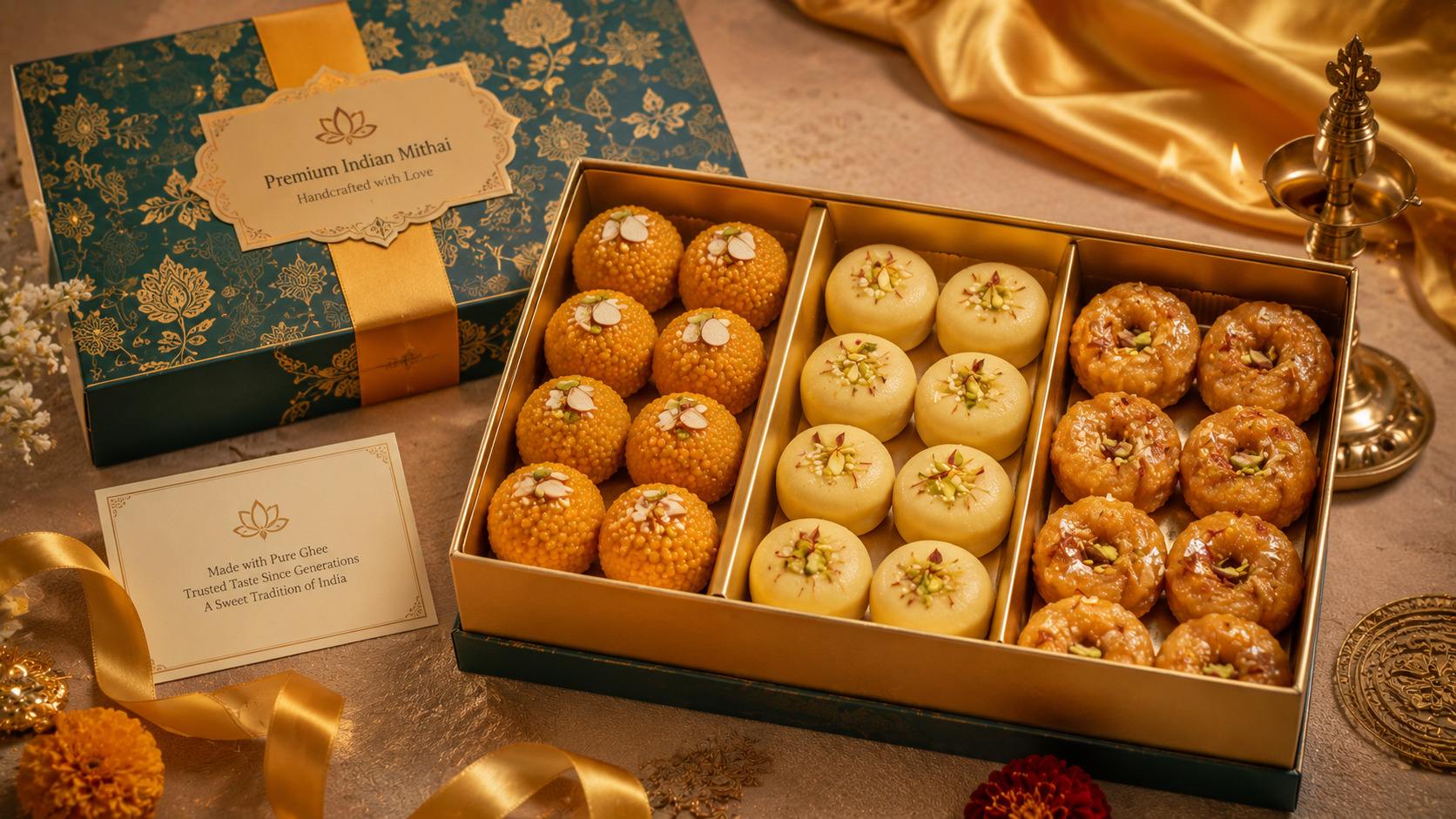
What Anjani Sweets represents is a philosophy of mithai as craft rather than commodity. Their special balushahi, special boondi laddoo, and special peda are not mass produced items sold by weight. They are made with the expectation that each bite will be someone's memory of a cherished occasion.
Conclusion: The Sweet That Wins Every Celebration Is the One Made With Purpose
We began by asking which special Indian sweet wins every celebration. Having explored the history, craft, cultural significance, and regional heritage of special balushahi, special boondi laddoo, and special peda, our answer is this: it is not a single sweet that wins it is a philosophy of sweet making.
A sweet wins a celebration when it is made with the right ingredients, shaped with skill, and offered with genuine intent. When all three of those elements align, as they do in Anjani Sweets' Chirawa offerings, the mithai becomes more than food. It becomes the taste of the occasion itself, something people reach for when words fall short and joy overflows.
India's culinary identity has many faces, but few are as universally recognizable as its mithai tradition. In a world of fast food and instant gratification, the patient craft of the traditional halwai, the slow frying, the careful syrup work, the pure ghee that makes a kitchen smell like a celebration, is something worth preserving, supporting, and savoring.
Key Takeaways
-
Special bhalushahi, special boondi laddoo, and special peda are among India's most culturally significant traditional sweets, each carrying centuries of history and regional identity.
-
Balushahi traces its origins to Mughal-era royal kitchens and has evolved into a beloved festive sweet across North and South India.
-
Boondi laddoo is one of the oldest recorded Indian sweets, referenced in ancient Sanskrit texts, and remains the most universally distributed mithai at religious ceremonies and festivals.
-
Peda, originating from Mathura's dairy culture, carries deep spiritual associations and is a preferred prasad at temples dedicated to Lord Krishna.
-
Chirawa in Rajasthan's Shekhawati region has a distinct and celebrated mithai-making tradition, with Anjani Sweets representing its finest contemporary expression.
-
The quality difference between artisan mithai made with pure desi ghee, real khoya, and natural saffron versus mass-produced alternatives is significant, in taste, aroma, and cultural authenticity.
-
Online platforms like DeliciousKart now make it possible to order authentic regional sweets from trusted heritage makers with doorstep delivery across India.
- When choosing mithai for celebrations, matching the sweet to the occasion, balushahi for weddings, laddoo for puja, peda for divine offerings, enhances both taste and cultural appropriateness.
Frequently Asked Questions (FAQs)
Q: What is special balushahi and what makes it different from regular balushahi?
A: Special balushahi is a premium version of the traditional balushahi sweet, made using superior quality ingredients like pure desi ghee, saffron, cardamom, pistachios, and almonds, as opposed to regular commercial variants that may use refined oils or artificial flavouring. The difference is most apparent in the texture (a distinctly flaky interior with a crisp glaze) and in the lingering aroma of natural spices. Anjani Sweets' special balushahi from Chirawa is a prime example of this premium category.
Q: Why is boondi laddoo considered auspicious in Indian culture?
A: Boondi laddoo holds deep auspiciousness in Hindu traditions because of its association with Lord Ganesha and its long history as temple prasad. The golden colour of the laddoo symbolises prosperity, and its spherical form represents completeness and wholeness. Historically, laddoos were also used medicinally in ancient India, lending them an additional layer of cultural significance.
Q: What is the shelf life of special peda, boondi laddoo, and balushahi?
A: Generally, special peda stays fresh for 5 7 days at room temperature and up to 15 days if refrigerated. Boondi laddoo typically lasts 10 -15 days in an airtight container. Balushahi can last up to two weeks when stored properly. These timelines apply to sweets made with genuine, preservative-free ingredients.
Q: How is Chirawa peda different from Mathura peda?
A: Both pedas share the same foundational technique but differ in their regional character. Mathura peda is denser and more compact, with a slightly grainy texture and strong khoya flavour. Chirawa peda, from the Shekhawati region of Rajasthan, tends to be softer, more fragrant, and often enriched with additional dry fruits and saffron.
Q: Can I order Anjani Sweets' special mithai online with home delivery across India?
A: Yes. Anjani Sweets' special balushahi, special boondi laddoo, and special peda are all available for online purchase through DeliciousKart (deliciouskart.com), which offers pan India delivery. The platform specialises in authentic regional food products, ensuring the sweets reach you with their flavour and freshness intact.
Q: Which Indian sweet is best for Diwali gifting?
A: For Diwali, a combination of balushahi, boondi laddoo, and peda makes an ideal gifting assortment. If choosing a single sweet, boondi laddoo is perhaps the most universally appreciated, its golden hue aligns with Diwali's symbolism of light and prosperity, and it suits virtually every age group.
Q: Are traditional Indian sweets healthy?
A: Traditional Indian sweets made with authentic ingredients, pure desi ghee, real khoya, natural saffron, and besan, contain beneficial fats, proteins, and natural flavour compounds. They are significantly more wholesome than commercial sweets made with hydrogenated oils and artificial additives. That said, they are calorie dense and best enjoyed in moderation as part of a balanced diet.
Q: What is the significance of offering sweets as prasad in Indian temples?
A: Offering sweets as prasad is an act of bhakti (devotion), presenting the deity with one's finest. Peda is particularly associated with Lord Krishna's temple at Mathura and Vrindavan, while laddoos are offered to Lord Ganesha and Goddess Lakshmi. The prasad is then distributed to devotees as a blessing from the deity. The purity of the ingredients is therefore of spiritual as well as culinary importance.
Order handcrafted festive mithai online from DeliciousKart and make every celebration sweeter.